
The increased desire for divorce in women may be caused by factors such as unmet emotional needs, increased economic independence, unequal distribution of family responsibilities, changes in social attitudes, and self-awareness awakening. The conflict between women's demands for equal relationships and traditional role expectations in modern marriage is becoming increasingly prominent, and the accumulation of psychological pressure at a critical point may trigger divorce decisions.
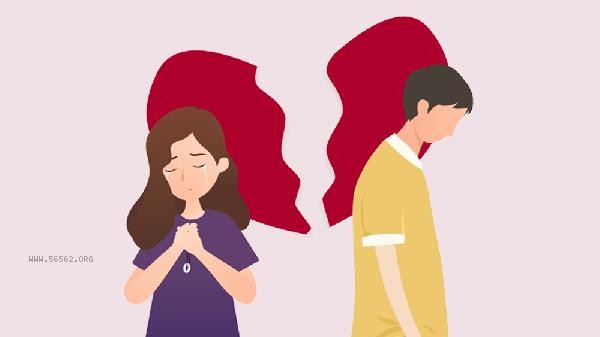
1. Emotional needs not being met
Long term lack of emotional response can erode the foundation of marriage. When partners continue to ignore communication needs and refuse emotional interactions, women are prone to feelings of loneliness and value denial. In some marriages, there is a phenomenon of cold violence or verbal suppression, which is a chronic psychological injury that is more likely to lead to decisive divorce decisions than intense conflicts. Emotional needs include multiple dimensions such as being respected, understood, and growing together, and their absence can lead to sustained psychological exhaustion.
2. Increased Economic Independence
The economic autonomy brought about by career development has changed the way divorce costs are calculated. The significant increase in participation and income levels of contemporary women in the workplace has led to a decrease in the economic necessity of maintaining unhappy marriages. Economic independence not only provides material security, but also strengthens confidence in self decision-making. This accumulation of psychological capital will encourage women to end harmful relationships more decisively. In some cases, women with incomes exceeding their spouse's expectations for marital quality will correspondingly increase.
3. Unequal distribution of family responsibilities
The unequal distribution of hidden household chores is an important catalyst. Most women still bear over 70% of childcare and household chores, and this sustained physical exhaustion can lead to chronic anger. When partners take family contributions for granted and refuse to adjust, psychological imbalance can transform into questioning the essence of marriage. The deterioration of responsibility allocation after childbirth is a specific high-risk period, during which the probability of divorce thoughts significantly increases.

4. Changes in social attitudes
The weakening of divorce stigma has lowered psychological barriers. With the improvement of legal protection and the increase of social inclusiveness, divorce is no longer seen as a label of life failure. The display of diverse lifestyles on social media also broadens cognitive boundaries, making women realize that marriage is not a necessary choice in life. This concept of unbinding encourages more people to consider divorce as a practical solution rather than a last resort.
5. Self awareness awakening
When personal growth conflicts with marital roles, it is easy to develop a desire to detach. Middle aged women often experience value restructuring, and when they discover that marriage severely limits self actualization, the need to preserve individual integrity may outweigh the need to maintain relationships. The popularization of psychotherapy also enables more people to clearly identify toxic relationship patterns, and this cognitive awakening will accelerate the divorce decision-making process.

It is recommended that women facing marital difficulties prioritize professional psychological counseling, objectively record interactive patterns through emotional diaries, and participate in women's growth groups to obtain social support. Short term separation can be used as a cooling off period to test real needs, and a comprehensive assessment of economic, parenting, and other practical factors is required before making major decisions. The psychological adaptation period after divorce may last for several months, and establishing a new life order requires gradual progress. Maintaining moderate exercise and regular sleep patterns can help stabilize emotional states. If necessary, short-term use of anti anxiety medication can be used under the guidance of a doctor to assist in transition.








Comments (0)
Leave a Comment
No comments yet
Be the first to share your thoughts!