
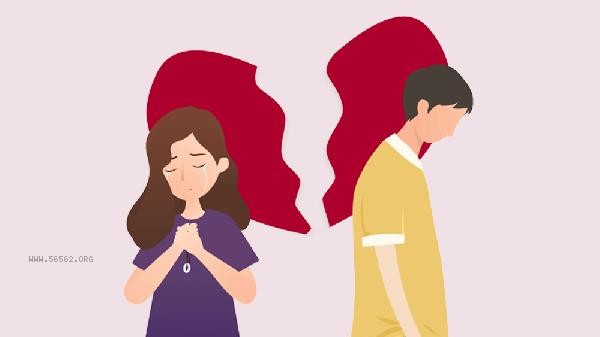
Common distress for men after a breakup includes emotional emptiness, self doubt, social pressure, etc., which may manifest in behavior such as avoiding socializing, overworking, or impulsive spending. The reactions after a breakup are usually closely related to personal personality, emotional involvement, and the reason for the breakup.
1. Emotional emptiness
After a breakup, men often experience strong feelings of loneliness due to the sudden interruption of intimate relationships. Some people may fill the emotional gap by frequently contacting their ex or quickly entering into a new relationship. This coping style may exacerbate psychological discomfort and even lead to regret or secondary harm.
2. Self value negation
Men may repeatedly think about the reasons for their breakup and blame themselves, resulting in decreased work focus and changes in appetite. Excessive analysis of relationship details can easily lead to negative self-awareness and require a longer period of time to rebuild confidence.
3. Social Relationship Disorder
Some people deliberately avoid common social circles or activities, while others divert their attention through excessive socialization. Both extreme ways may affect the recovery of normal interpersonal support systems and prolong the psychological adaptation period.

4. Out of control behavior
Some men may engage in compensatory behaviors such as staying up late playing games, excessive drinking, or impulsive consumption, which may bring health risks and economic burdens in the short term. Replacing emotional needs with material satisfaction often backfires.
5. Future anxiety
Middle aged men who break up in long-term relationships are particularly prone to age anxiety, worrying about the difficulty of remarriage or the time limit for childbirth. This pressure may lead to hasty emotional decisions or career planning changes.

It is recommended to maintain a regular schedule and moderate exercise after a breakup to avoid major life decisions. By cultivating new hobbies, one can rebuild the pace of life and maintain moderate socialization with trusted friends. If sleep disorders or low mood persist for more than two weeks, it is recommended to seek professional psychological counseling. Dealing with the pain of a breakup takes time, there is no need to force oneself to recover immediately.








Comments (0)
Leave a Comment
No comments yet
Be the first to share your thoughts!