
After a breakup, men usually experience psychological reactions such as emotional loss, self doubt, and social pressure, which vary from person to person. Breakups may cause short-term emotional fluctuations or long-term psychological adaptation problems, mainly related to individual personality, emotional involvement, social support system, and other factors.

1. Emotional Loss
In the early stages of a breakup, men generally experience emotional lows, manifested as persistent feelings of emptiness and sadness. Some people may conceal their pain through excessive work or social activities, and this suppression may delay the process of emotional repair. Typical features include repeated recollection of past memories, avoidance of shared social spaces, and sudden emotional outbursts.
2. Self value questioning
The end of a relationship can easily trigger achievement anxiety in men, especially when the breakup is initiated by the other party. Common cognitive distortions include excessive reflection on one's own shortcomings, exaggerating mistakes in love, and doubting attraction. This state may last for weeks to months, and in extreme cases, it can affect the establishment of subsequent intimate relationships.
3. Social Relationship Restructuring
The dissolution of a partner relationship means the restructuring of a shared social circle, and men may face practical problems such as friend formation and reduced activity invitations. The decrease in the number of mutual friends can exacerbate feelings of loneliness, while gender stereotypes about confiding in family and friends may hinder emotional release.
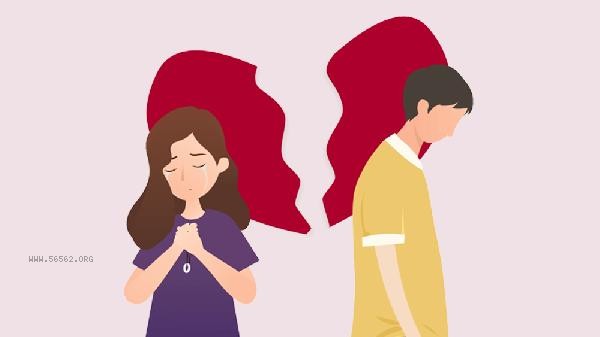
4. Irregular lifestyle habits
Men who break up after long-term cohabitation are more likely to experience physiological reactions such as sleep disorders and eating disorders. After the original pace of life is disrupted, it may be accompanied by problems such as lack of attention and decreased work efficiency. Some people may cope with stress through unhealthy ways such as excessive drinking or binge eating.
5. Future anxiety
Men of marriageable age are prone to a sense of age urgency after a breakup, worrying about the time cost of choosing a new partner. Men with average economic conditions may bear additional pressure in evaluating the value of the marriage and love market. This anxiety is more prominent in regions with strong traditional cultural concepts.

It is recommended to maintain a regular daily routine after a breakup, avoid major life decisions, and gradually rebuild personal life order. By cultivating new interests and hobbies, attention can be diverted and moderate social connections can be maintained with trusted family and friends. If insomnia, changes in appetite, decreased interest, or alcohol dependence persist for more than two weeks, it is recommended to seek professional psychological counseling. Exercise can help relieve stress hormone secretion, and moderate aerobic exercise daily can improve emotional regulation ability. Be careful to avoid excessive immersion in sad emotions and set a reasonable psychological recovery cycle for yourself.








Comments (0)
Leave a Comment
No comments yet
Be the first to share your thoughts!