
When a daughter and boyfriend break up, parents should focus on listening and supporting, avoiding direct intervention or blame. The main ways to handle it are to maintain a neutral attitude, provide emotional support, guide rational analysis, respect the daughter's decision, and assist in subsequent adjustments.

1. Maintain a neutral attitude
Parents should avoid making subjective evaluations of their daughters' emotional relationships and not rush to take sides or criticize either party. You can first understand the specific reasons for the conflict and use open-ended questioning to help your daughter sort out her emotions, such as asking her about her true thoughts on the relationship. Never use the posture of someone who has been through before to forcefully preach, otherwise it may trigger a rebellious mentality.
2. Provide emotional support
During the breakup period, daughters may experience feelings of low mood, self doubt, and other reactions, and parents should provide sufficient emotional acceptance. Care can be conveyed through daily activities such as accompanying for walks and cooking together, allowing her to express her emotions in moderation. Pay attention to whether there are persistent insomnia, anorexia and other abnormal symptoms, and seek psychological counseling if necessary.
3. Guiding rational analysis
After the emotions have calmed down, it can assist the daughter in objectively reviewing the problems in the relationship. For example, discussing whether the values of both parties match, whether the conflict touches the bottom line of principles, etc., but the subjective feelings of the daughter should be the core of judgment. Avoid using material conditions or external standards to make decisions based on her emotional needs.
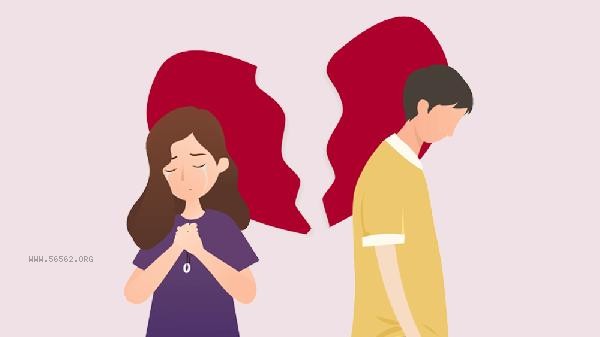
4. Respect the daughter's decision
Regardless of whether the daughter chooses to reconcile or completely break up, parents should respect her autonomy. Gentle reminder to consider the long-term impact of the decision, but the final choice is in her hands. If it involves practical issues such as property division in cohabitation, practical assistance such as legal consultation can be provided instead of making decisions on behalf of others.
5. Assist in subsequent adjustments
Encourage daughters to rebuild their social circle, cultivate new interests and hobbies, and shift their attention in the post breakup stage. Remind her to avoid excessive attention to her ex's updates and assist in adjusting the interaction patterns of mutual friends if necessary. If the daughter has a long-term tendency towards depression, it is recommended to accompany her to a formal medical institution for evaluation. Parents need to clarify their own role positioning, and emotional issues ultimately need to be resolved independently by the parties involved. Daily activities can enhance parent-child interaction through family movie nights, short trips, etc., but it is not advisable to excessively pursue emotional details. Helping daughters establish a sense of self-worth rather than relying on external evaluations is the long-term goal of emotional education. If there are persistent communication barriers in the family, it may be considered to schedule a professional mediation with a family therapist.









Comments (0)
Leave a Comment
No comments yet
Be the first to share your thoughts!