
After a boyfriend breaks up, they can cope through calm communication, self reflection, seeking support, diverting attention, professional counseling, and other methods. Breakups are usually caused by communication barriers, mismatched emotional needs, external pressure, trust crises, long-term conflict accumulation, and other reasons.
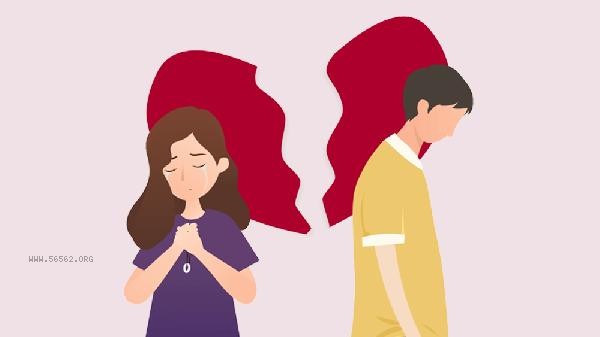
1. Calm Communication
After calming down, try to have a candid conversation with the other person and avoid blaming or pleading. Clearly express your true feelings about the relationship, while listening to the other party's specific reasons for breaking up. This kind of communication is not meant to salvage, but to help both parties understand the crux of the relationship's end and provide reference for future self growth. Pay attention to choosing a neutral venue and controlling the duration of the conversation to avoid getting caught up in emotional disputes.
2. Self reflection
Objectively analyze the problems that exist in relationships, including the interaction patterns that need to be improved, unmet emotional needs, etc. You can write an emotional diary to sort out your feelings and distinguish between real problems and subjective projections. But it is necessary to avoid excessive self blame or blaming oneself for everything, as the breakdown of a relationship is often the result of interaction between both parties.
3. Seek Support
Proactively reach out to trusted friends and family to confide in, expressing emotions moderately rather than closing oneself off. Participate in social activities or interest groups to rebuild social connections and reduce the erosion of loneliness. Pay attention to choosing supporters who can provide rational advice and avoid getting trapped in a relationship circle where negative emotions reinforce each other.

4. Shift Attention
Reconstruct the focus of life through exercise, learning new skills, traveling, and other methods. Exercise can promote the secretion of endorphins to alleviate depression, knowledge acquisition can enhance self-worth, and environmental changes can help break the cycle of rumination. In the initial stage, a specific daily plan can be developed to avoid excessive idleness, but it is not advisable to use methods such as workaholism to avoid emotional processing.
5. Professional Counseling
If stress reactions such as sleep disorders, changes in appetite, and impaired social functioning persist, it is recommended to seek psychological counseling. Cognitive behavioral therapy can improve false attribution, attachment theory counseling can handle separation trauma, and if necessary, psychologists will evaluate whether adjuvant medication is needed. Professional assistance is particularly suitable for situations where long-term relationships end or are accompanied by traumatic events.

After a breakup, it is advisable to ensure protein and vitamin intake to stabilize emotions. Foods rich in tryptophan, such as eggs, deep-sea fish, bananas, etc., can help with serotonin synthesis. Regular aerobic exercise such as brisk walking and swimming can regulate stress hormone levels. Establish a stable daily routine and avoid using alcohol or overeating to cope with emotions. You can try practicing mindfulness meditation to observe without judging emotional changes, gradually rebuilding a sense of control over life. Reserve an appropriate mourning period but set a recovery time point, and if necessary, complete the psychological separation ceremony through methods such as item cleaning and spatial reorganization.








Comments (0)
Leave a Comment
No comments yet
Be the first to share your thoughts!