
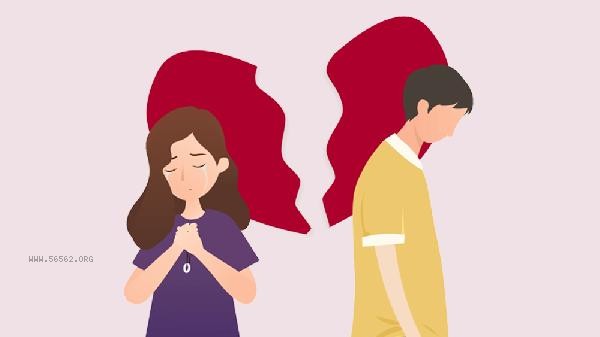
The mentality of women breaking up is usually related to unmet emotional needs or accumulated relationship conflicts, which may involve factors such as emotional alienation, value conflicts, differences in future planning, trust crises, and self growth needs.

1. Emotional alienation
Long term lack of effective communication or emotional response may lead women to feel lonely and neglected. When a partner continues to show a cold or perfunctory attitude, women may end a one-way relationship by breaking up. This situation is common in the later stages of love or marital burnout, where the frequency and quality of interaction between both parties significantly decrease.
2. Value Conflict
Differences in core values such as reproductive attitudes, consumption habits, or family responsibility allocation may lead to ongoing disputes. When women find that both parties cannot reach a consensus through compromise, they may choose to terminate the relationship. These types of conflicts often erupt during cohabitation or marriage discussions.
3. Future disagreements
Mismatches in career development, residential city, or life stage planning can lead women to reassess relationship sustainability. If one party insists on sacrificing the other's development opportunities or has fundamental differences in major life decisions, breaking up may become a rational choice.

4. Trust Crisis
Behaviors such as infidelity, lies, or economic concealment can seriously damage the foundation of a relationship. After multiple opportunities without improvement, women may initiate a breakup due to a complete loss of security. This type of decision is often accompanied by long-term emotional distress and repeated verification processes.
5. Growth Needs
Some women will voluntarily end relationships that restrict personal development after self-awareness awakens. When realizing that a partner is hindering academic, career, or spiritual growth, one may choose to leave even without obvious conflicts. This type of breakup usually occurs during personal transition or cognitive enhancement stages. When faced with the decision to break up, women usually go through a longer emotional evaluation period. It is recommended that male partners pay attention to the quality of daily emotional interactions, engage in regular deep communication, and respect each other's personal space and development needs. When there is a crisis in a relationship, professional psychological counseling can be sought, and core conflicts can be resolved through nonviolent communication to avoid missing the opportunity for repair due to misunderstandings. A healthy relationship requires both parties to jointly maintain the balance of emotional accounts.








Comments (0)
Leave a Comment
No comments yet
Be the first to share your thoughts!