
The best way for women to handle a breakup is to maintain a balance between emotional release and self reconstruction. psychological adjustment after a breakup requires attention to five dimensions: emotional release, social support, interest transfer, goal setting, and professional intervention, to avoid falling into self doubt or excessive suppression.

1. Emotional release
allows oneself to experience natural emotional reactions such as sadness and anger, which can be expressed through non-destructive methods such as writing diaries and artistic creation. Deliberately suppressing emotions may prolong the recovery period, but it is important to avoid posting impulsive content on social media. Set aside a fixed time every day to deal with emotions, and actively shift attention during other times.
2. Social Support
Choose friends and family who can provide emotional support to confide in moderately, avoiding long-term and repeated discussions on breakup details. Participate in group activities to connect with new social circles, but it is not advisable to immediately engage in new relationships. Temporarily maintain distance from mutual friends with partners to reduce environmental stimuli that trigger memories.
3. Interest Transfer
Restart personal hobbies that have been put on hold due to love, or learn new skills to fill time gaps. The endorphins produced by exercise can help improve mood, and creative activities such as dance and painting can promote the reconstruction of self-worth. Pay attention to selecting sustainable projects that can quantify progress and avoid three minute hype.

4. Goal Setting
Develop short-term achievable life goals, such as career development or health management plans. Transform the breakup into an opportunity for personal growth and rebuild a sense of control through concrete actions. Avoid setting competitive goals that directly compare with your predecessor, and focus on your own development trajectory.
5. Professional Intervention
If sleep disorders or social dysfunction persist, seek help from a psychological counselor. Cognitive behavioral therapy can effectively improve rumination, while mindfulness training helps to accept emotional trauma. For those who have a tendency towards self harm or depressive symptoms, it is recommended to seek timely evaluation at a psychiatric department.
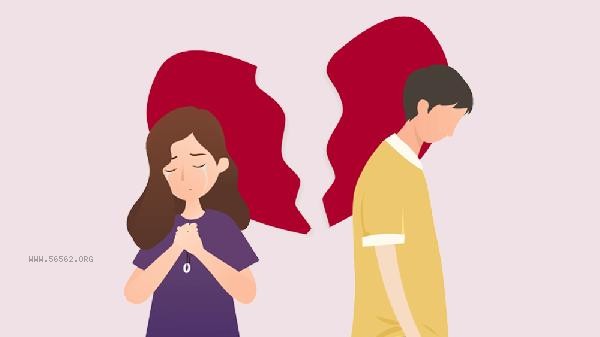
It is recommended to maintain a regular daily routine and a balanced diet within three months after breaking up, and increase the intake of foods rich in tryptophan such as millet and bananas appropriately. Avoid compensating behaviors such as alcohol induced mood paralysis or overeating, and engage in moderate aerobic exercise daily to regulate neurotransmitter secretion. When rebuilding the order of life, it should be done gradually. An emotional thermometer can be made to record daily fluctuations in state, and if necessary, a psychological counselor can be used to handle grief. Pay attention to whether there are persistent somatic symptoms, and consider the possibility of complex grief if they have not improved for more than six months.








Comments (0)
Leave a Comment
No comments yet
Be the first to share your thoughts!