
The mentality of men after divorce usually goes through a process from emotional release to gradual adaptation, mainly manifested as differences in short-term relief, self value doubt, emotional avoidance, anxiety about social relationship reconstruction, and long-term adaptation barriers.

1. Transient sense of relief
Some men may experience a sense of relief in the early stages of divorce due to the end of conflicts, especially when there are long-term high-pressure conflicts in marriage. This emotion may be accompanied by a brief increase in social activity, but often conceals unresolved deep emotional issues. Excessive immersion in immediate pleasure may lead to subsequent psychological rebound.
II. Self value Doubt
Traditional gender role expectations can make men more strongly associate marital status with self-evaluation. After divorce, persistent doubts about professional ability, economic status, sexual attractiveness, and other aspects often arise, and some people compensate for their self-esteem through excessive overtime or risky behavior. This mentality may last for a long time.
III. Emotional Avoidance
Men generally tend to use rational defense mechanisms to deal with emotional trauma, manifested as deliberately avoiding discussing divorce details, quickly entering new relationships, or becoming addicted to work. This coping style may delay the psychological recovery process and affect the quality of subsequent intimate relationships.
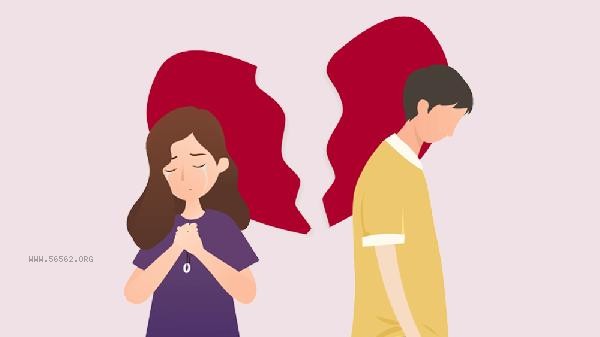
Fourth, Social Relationship Restructuring Anxiety
The changes in social circles brought about by divorce can put pressure on men to adjust their parent-child relationships and restructure their friendships. Some people experience a strong sense of loss due to custody issues or encounter identity confusion in non-traditional family models. This anxiety is significantly manifested in the age group of 35-50 years old.
5. Long term adaptation disorders
About 20% of divorced men will experience persistent psychological adaptation problems, manifested as sleep disorders, alcohol dependence, or depressive tendencies. Individuals with past anxiety traits or childhood separation trauma have a higher risk and require professional psychological intervention. The combination of economic pressure and loneliness can exacerbate symptoms.

It is recommended that divorced men maintain a regular daily routine and establish a new pace of life, engage in moderate aerobic exercise to help regulate emotions, and expand their social support system by joining interest clubs. Maintain open communication with trusted family and friends, and avoid using substance abuse to relieve stress. If you continue to experience low mood or impaired function, you should seek psychological counseling in a timely manner. Special attention should be paid to the psychological state of children whose parents have divorced, and it is recommended to participate in family therapy together.








Comments (0)
Leave a Comment
No comments yet
Be the first to share your thoughts!