
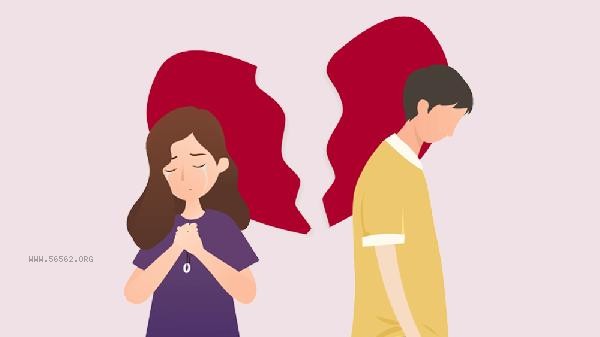
The mentality of men after a breakup usually goes through a process from emotional release to rational reflection, which may initially manifest as suppression or avoidance, and gradually shift towards self reconstruction in the later stages. The main influencing factors include emotional dependence, initiative to break up, social support system, personality traits, and past emotional experiences.

1. Emotional dependence
Men with deeper emotional connections are more likely to experience withdrawal symptoms, manifested as continuous attention to their ex's dynamics or repeated recollection of details. This type of situation is common in passive breakups of long-term relationships, which may be accompanied by sleep disorders and appetite fluctuations. It is recommended to alleviate discomfort by shifting attention and avoid making emotional decisions late at night.
2. Breakup initiative
Men who initiate a breakup may show a sense of relief in the early stages, but three weeks later they are prone to guilt or self doubt. This mindset change is related to cognitive dissonance after decision-making, and some people may verify the correctness of their choices through excessive socialization. It should be noted that this defense mechanism may delay the processing of real emotions.
3. Social Support System
Men with narrow social circles are more likely to fall into rumination and overly blame themselves for the reasons for breaking up. When there is a lack of emotional outlet channels, it may transform into workaholic or adventurous behavior. Moderate group activities can help rebuild a sense of self-worth, but compulsive socialization may exacerbate psychological exhaustion.

4. Personality traits
Individuals with high neuroticism are prone to anger outbursts or depressive tendencies, while avoidant attachment types may exhibit abnormal apathy. The extraversion dimension in the Big Five personality traits affects recovery speed, and those with high agreeableness scores are more likely to engage in excessive reflection. Personality traits determine differences in the effectiveness of emotional regulation strategies.
5. Past emotional experiences
Men who have experienced multiple breakups may activate psychological defenses faster, but they are also more likely to form negative emotional patterns. Unprocessed traumatic memories can lead to excessive alertness in new relationships, which may manifest through somatic symptoms such as unexplained headaches or gastrointestinal dysfunction.
It is recommended to maintain a regular schedule and moderate exercise after breaking up, and avoid using alcohol and other substances to regulate emotions. Mindfulness training can be attempted to reduce anxiety levels and establish new life support points such as skill learning or public welfare participation. If functional impairment persists for more than two months, professional psychological counseling should be considered. The end of intimate relationships is essentially a process of psychological boundary reconstruction, and healthy grief management helps to enhance individual emotional maturity.








Comments (0)
Leave a Comment
No comments yet
Be the first to share your thoughts!