
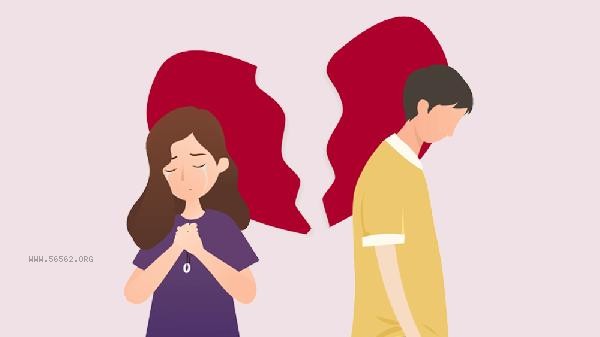
The shadow of divorce can be alleviated through psychological counseling, establishing new social circles, cultivating interests and hobbies, adjusting cognitive patterns, and moderate exercise. The psychological trauma after divorce is usually related to factors such as emotional dependence, self denial, social pressure, life inertia, and unresolved conflicts.
1. Psychological Counseling
Professional psychological counseling can help sort out emotional nodes, and cognitive-behavioral therapy can correct catastrophic interpretations of divorce events. For long-term symptoms of depression or anxiety, psychologists may recommend using acceptance commitment therapy to guide individuals to reconcile with their painful experiences. Group psychological counseling can also reduce loneliness through peer support.
2. Establishing a new social circle
Actively participating in community activities or interest groups can rebuild social connections and avoid falling into a state of self isolation. Regular communication with groups that have experienced similar difficulties can provide emotional resonance and coping experiences. Attention should be paid to the social anxiety that may arise when encountering new people in the early stages, and it is recommended to gradually adapt from low-intensity interactions.
3. Cultivate hobbies and interests
Artistic creations such as painting and music can provide channels for emotional release, while repetitive activities such as gardening and handicrafts can generate flow experiences. Choosing skills that require concentration, such as foreign languages or musical instruments, can help shift the focus away from the repetitive reminiscence of past relationships. Sports hobbies can simultaneously improve physical and psychological states.

4. Adjust cognitive patterns
Identify automated negative thinking through diary entries, such as cognitive distortions such as overgeneralization or labeling. Practice redefining divorce as a turning point in life rather than a failure, and establish a growth mindset. Regularly create a list of personal strengths to reinforce the existence of self-worth independent of marital status.
5. Moderate Exercise
Engaging in aerobic exercise every week can increase levels of endorphins in the brain and alleviate depression. Yoga or Tai Chi and other physical and mental exercises can reduce cortisol levels and improve sleep quality. Team sports also have social functions, but the appropriate intensity should be chosen based on physical condition to avoid new physical and mental stress caused by excessive exercise. The adaptation period after divorce varies among individuals and usually takes several months to two years. In addition to the above methods, maintaining a regular schedule and balanced diet can help stabilize emotions. It is recommended to avoid avoiding emotions through alcohol or excessive work, and to try mindfulness meditation to cultivate awareness of current experiences. If suicidal ideation persists or social functioning is severely impaired, seek timely assistance from a psychiatrist. When rebuilding the order of life, it is necessary to leave a buffer space for oneself, allow the natural flow of sad emotions, and gradually develop a new framework for the meaning of life.









Comments (0)
Leave a Comment
No comments yet
Be the first to share your thoughts!