
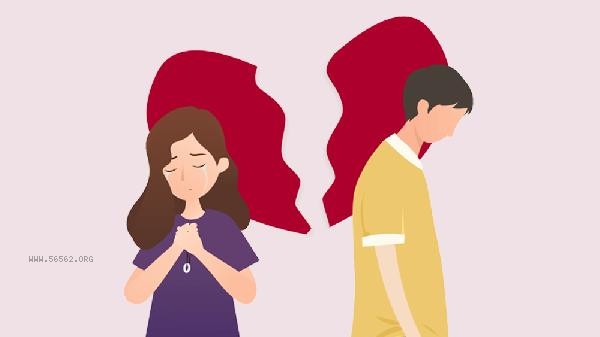
The psychological state and life changes of men after divorce vary from person to person, usually going through three stages: emotional fluctuations, life adjustments, and long-term adaptation. Divorce may lead to feelings of loneliness, decreased self-worth, increased economic pressure, restructuring of social relationships, and changes in parent-child relationships.

1. Emotional fluctuations
In the early stages of divorce, men generally experience low mood, anxiety, or anger, which is related to the loss of intimate relationships and the breaking of lifestyle habits. Some people may avoid emotions through overwork or socializing, and may also experience sleep disorders or changes in appetite. This emotional response usually gradually subsides within 3-6 months, but there are individual differences. After the end of a marriage, men often reassess their self-worth and life goals. Some people may fall into a mindset of failure, while others see it as an opportunity for growth. This stage may be accompanied by career direction adjustments, interest and hobby development, and some people may seek psychological counseling to help rebuild their confidence.
3. Economic Adjustment
Property division and child support payments will change the original economic structure and require a re planning of income and expenditure. Factors such as the cost of living alone, changes in housing, and expenses for children's education may cause pressure. Reasonable financial management and career development can help with a smooth transition, but changes in economic conditions may last for a long time.
4. Social Reconstruction
After divorce, friends and family relationships often need to be readjusted, which involves dealing with changes in the shared social circle with the ex-wife and establishing a new support system. Some people choose to temporarily reduce social activities, while others expand their interpersonal relationships through interest groups, which takes time to adapt.

5. Parent child relationship
Divorced men with children face new challenges such as visitation arrangements and joint parenting. Maintaining stable parent-child contact is important for children's mental health, but conflicts may also arise due to custody issues. Establishing a healthy co parenting model requires cooperation from both parties, and professional mediation may be sought if necessary. After divorce, men should pay attention to maintaining a regular schedule and healthy diet, and moderate exercise can help regulate emotions. You can participate in mental health lectures or support groups to learn stress management skills. Maintain communication with trusted family and friends to avoid long-term self isolation. If you need professional help, you can consult a psychological counselor, focusing on cultivating new life priorities and social support systems. In terms of economics, it is recommended to develop long-term plans and seek assistance from financial advisors if necessary. Maintain moderate social activities but avoid excessive indulgence, gradually establish new lifestyles and hobbies.








Comments (0)
Leave a Comment
No comments yet
Be the first to share your thoughts!