
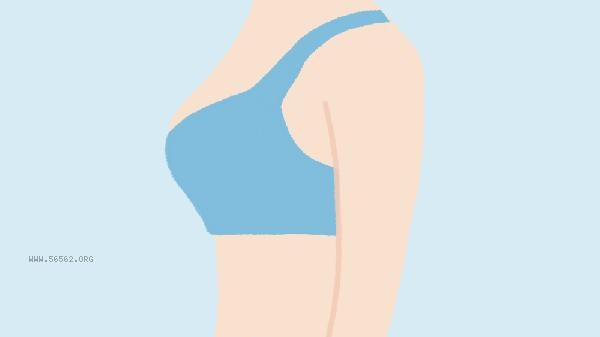
The size of women's breasts is mainly determined by genetic factors, hormone levels, body fat content, breast development, and age changes.
1. Genetic factors
Chest size is closely related to genetic factors, and the breast characteristics of the mother or immediate female relatives often affect the next generation. Genes play a role by regulating the growth potential of breast stroma and adipose tissue, with this innate factor accounting for about 60% of the determining factors. There are also significant differences between different human species, such as the generally higher density of breast tissue in East Asian women.
2. Hormone levels
Estrogen and progesterone directly stimulate the development of mammary ducts and acini. A sudden increase in estrogen during puberty can promote fat deposition in the breasts, while hormonal changes during pregnancy can cause breast enlargement. Endocrine disorders such as polycystic ovary syndrome may lead to hormonal imbalances, which in turn can affect breast development.
3. Body fat content
The proportion of adipose tissue in the breast is about 70%, and those with higher body fat percentage usually have fuller breasts. Excessive dieting and weight loss may lead to breast shrinkage, but simple weight gain does not necessarily increase breast size, as fat distribution is genetically regulated. Although fitness exercises can increase chest muscle thickness, their impact on breast tissue volume is limited.
4. Breast development
The number and branching degree of breast glands determine the basal contour. During puberty, the branching of mammary ducts forms a tree like structure, and during lactation, the fully developed acini will temporarily enlarge the breasts. Some women with congenital breast dysplasia may have flat breasts, which may require medical intervention.
5. Age change
Around the age of 20, breast development is basically fixed, and after the age of 30, glandular tissue is gradually replaced by fat. The decrease in estrogen during menopause can lead to breast sagging and reduced volume. Breastfeeding, rapid weight loss, or decreased skin elasticity can all accelerate this change, but individual differences are significant. Maintaining a balanced diet helps maintain hormone stability, and moderate intake of high-quality protein and healthy fats is beneficial for breast tissue health. Wearing appropriate underwear can prevent sagging, and regular breast examinations can detect abnormalities in a timely manner. The size of the chest does not affect breastfeeding function. If there is a sudden increase or accompanied by pain, medical attention should be sought to investigate breast diseases. It is recommended to shape one's body through scientific fitness and avoid blindly using breast enhancement products or surgery.









Comments (0)
Leave a Comment
No comments yet
Be the first to share your thoughts!