
After divorce, men usually experience significant changes in their psychological state, lifestyle habits, and social relationships. These changes mainly involve emotional fluctuations, self cognitive adjustments, changes in social patterns, increased economic pressure, and restructuring of parent-child relationships.
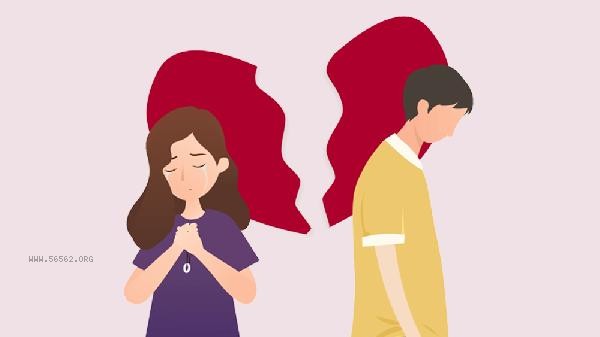
1. Emotional fluctuations
In the early stages of divorce, men generally experience strong emotional fluctuations. Some people may experience short-term depressive tendencies, manifested as insomnia, decreased appetite, or low mood, which is related to the lack of security caused by the loss of intimate relationships. Some people also transfer their pain through overwork or social activities, forming an avoidance coping mechanism. This emotional response usually gradually subsides within six months, but there are individual differences.
2. Self cognitive adjustment
The end of a marriage relationship will prompt men to re-examine their self-worth. Some people may fall into self doubt, experience age anxiety, or worry about decreased competitiveness; Some people also see divorce as a new starting point, starting to cultivate new skills or change their image. At this stage, extreme behaviors such as retaliatory consumption or excessive fitness are prone to occur, essentially seeking psychological balance through external changes.
3. Changes in Social Patterns
After divorce, men's social circles often undergo structural reorganization. The potential loss of mutual friends between spouses may prompt them to establish new social networks. Some people may experience social withdrawal and avoid group activities; Some people are also more actively involved in socializing, filling emotional gaps through new relationships. The change in social rules of being single often leads to initial adaptation difficulties.

4. Increased economic pressure
Property division and child support payments will result in significant economic burdens. The disposal of original housing and the decline in living standards are common problems, especially when it comes to the drastic changes in expenditure structure when raising children. Some people may experience career anxiety as a result and choose to work part-time or switch careers. Economic pressure and psychological pressure reinforce each other, requiring professional financial planning intervention.
5. Reconstruction of Parent Child Relationship
Non custodial fathers face the reconstruction of parent-child interaction patterns. The fragmentation of time during the exercise of visitation rights may affect the quality of parent-child relationships, and some people may experience feelings of guilt and compensation. How to maintain educational continuity in an incomplete family structure has become a long-term adaptation issue. Children's emotional reactions can also have a reverse impact on fathers' psychological adjustment.

It is recommended to maintain a regular schedule and healthy diet after divorce, and moderate exercise can help regulate emotions. You can participate in psychological support groups to learn coping skills and seek psychological counseling if necessary. Avoid overcompensation when interacting with children and establish a stable new mode of interaction. In terms of economics, it is recommended to consult professional consultants to develop medium - and long-term plans, and social activities should be gradual and not rushed. A cooling off period should be reserved for major decisions to provide sufficient buffer time for psychological adaptation.








Comments (0)
Leave a Comment
No comments yet
Be the first to share your thoughts!