
Men usually go through five psychological stages when filing for divorce, including emotional outburst period, calm and balanced period, exploratory action period, decision execution period, and adaptation and reconstruction period.

1. Emotional outburst period
During this stage, men are often dominated by strong negative emotions, which may manifest as frequent arguments or sudden apathy. Common triggers include long-standing conflicts, significant value clashes, or sudden betrayals. At this time, rational communication is difficult, and some people may transfer their pain through behaviors such as excessive drinking and overwork. The duration of this stage ranges from several days to several months, and the key feature is a significant increase in emotional words and actions.
2. Calm and Balanced Period
After the emotions calm down, men will enter the stage of realistic consideration and begin to evaluate the costs and benefits of divorce. The key considerations include practical issues such as property division plans, child custody arrangements, and changes in social relationships. Some people may consult a lawyer or consult relevant legal provisions at this time, and may also secretly observe their spouse's reaction. This stage is prone to repeated hesitation, and some people may test their feelings of separation by reducing their frequency of returning home.
3. Trial Action Period
Men begin to take concrete actions to verify their divorce decisions, commonly manifested as intentionally creating conflicts to test the other party's bottom line, proposing a trial separation, and sending divorce signals to family and friends. This stage may be accompanied by changes in economic behavior, such as transferring some assets or reducing household expenses. Some people may suddenly become particularly cold or overly attentive to their spouse, both of which are manifestations of psychological conflict.
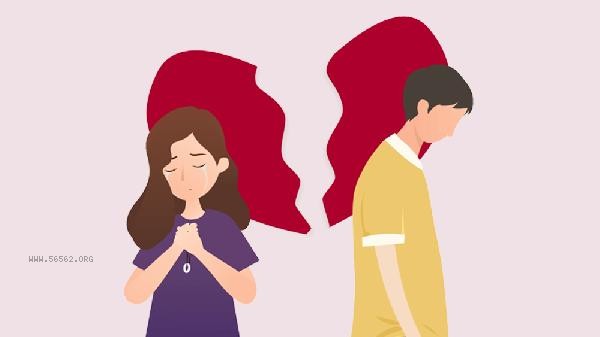
4. Decision Execution Period
After completing psychological construction and entering the substantive operation stage, men usually choose to directly confront or convey their intentions through lawyers. The most obvious feature of this stage is decisive behavior, including resolutely moving out of the residence and quickly advancing legal procedures. Some people may have a compensatory mentality and show generosity during property division, while others may avoid face-to-face communication due to guilt and entrust a third party to handle divorce matters.
5. Adaptation and Reconstruction Period
After the legal process is completed, one enters the psychological adjustment stage, which may initially lead to a sense of relief, followed by the impact of loneliness. At this point, men will re plan their lifestyle, including adjusting their social circle and adapting to the role of a single father. Some people may experience emotional rebound in the short term, manifested as quickly starting a new relationship or excessive engagement in work, which are common defense mechanisms for coping with psychological gaps.

Psychological reconstruction after divorce requires systematic support, and it is recommended to maintain endorphin levels in the body through regular exercise. Aerobic exercise for more than thirty minutes a day can help stabilize emotions. Pay attention to increasing foods rich in tryptophan, such as bananas and oats, in your diet to aid in serotonin synthesis. In terms of socializing, one can gradually participate in interest communities, but avoid investing in new relationships too early. Sleep quality is crucial for psychological recovery, and if necessary, professional sleep guidance can be sought from a psychologist. Economically, it is recommended to develop a three-year financial plan and reserve sufficient emergency funds to deal with unexpected situations.








Comments (0)
Leave a Comment
No comments yet
Be the first to share your thoughts!