
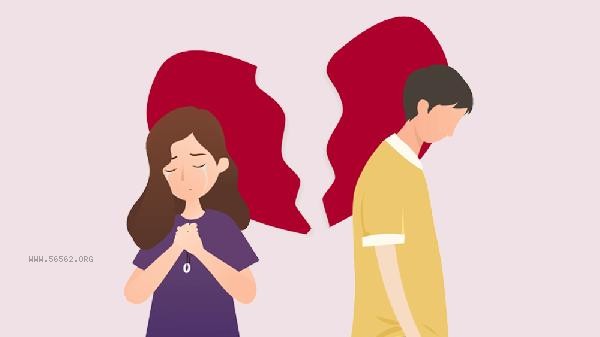
After a breakup, men usually experience a period of aversion, mainly manifested as emotional resistance, avoidance of communication, denial of the past, and other psychological reactions. The duration of the aversion period varies from person to person and is mainly influenced by factors such as personality traits, reasons for breakup, and level of emotional involvement. The aversion period is a psychological defense mechanism for men to deal with the trauma of a breakup. When intimate relationships suddenly break down, men are often more inclined than women to conceal their inner pain with a cold attitude. In this state, behaviors such as deliberately belittling the ex, refusing to discuss emotional topics, and excessive involvement in work may occur. Some men will prove their self-worth by quickly starting a new relationship, which is essentially an escape from emotional trauma. The aversion period may seem heartless on the surface, but it actually reflects the psychological state of the parties involved who have not yet completed emotional detachment. A small number of men may exhibit extreme aversion after a breakup. For example, publicly defaming an ex on social media, maliciously cutting off all common social connections, engaging in retaliatory consumption or dangerous behavior, etc. This type of reaction is often related to the long-term accumulation of suppressed emotions in the relationship, and may also stem from paranoid tendencies in personality traits. It should be noted that when negative emotions continue to worsen and are accompanied by aggressive words and actions, it may develop into a pathological psychological state. Understanding the psychological mechanism of male aversion period can help to cope with emotional changes rationally. It is recommended to release stress through moderate exercise, maintain social connections with trusted friends, and avoid numbing emotions with substances such as alcohol. If you experience persistent insomnia, emotional instability, or social dysfunction for more than two weeks, you should consider seeking professional psychological counseling. The psychological adjustment after a breakup takes time, allowing oneself to experience the complete process of grief in order to achieve true emotional growth.










Comments (0)
Leave a Comment
No comments yet
Be the first to share your thoughts!