
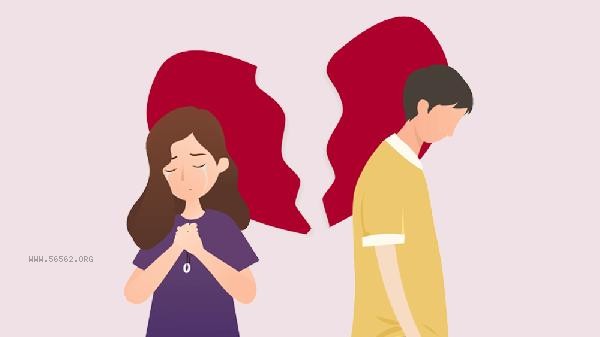
Proper handling of property division, child custody, and emotional transition is a crucial step for women considering divorce. Divorce involves various issues such as legal procedures, psychological adjustment, and economic independence, which require targeted measures based on specific circumstances.

1. Legal Consultation
Advance understanding of legal provisions in the Civil Code regarding divorce cooling off period, joint property distribution, and ownership of child custody. You can consult professional lawyers about the applicable conditions for divorce by agreement or litigation, and keep evidence of marital property such as bank statements, property certificates, etc. to avoid damage to your rights and interests. If there is domestic violence, it should be reported to the police in a timely manner and a personal safety protection order should be applied for.
2. Economic independence
evaluates personal income and living costs, and plans ahead for economic sources after divorce. Organize a list of joint debts after marriage and clarify repayment responsibilities. If necessary, one can further their vocational skills or seek stable employment to ensure independent living abilities. For full-time housewives, compensation for household chores can be advocated.
3. Emotional Support
Seek the help of a psychological counselor to deal with separation anxiety or post-traumatic stress reactions, and join a divorced women's mutual aid group to receive peer support. Communicate needs openly with family and friends to avoid isolation and helplessness. Relieve depressive emotions and rebuild self-identity through mindfulness meditation, emotional diaries, and other methods.

4. Child Communication
Using child developmental psychology methods to explain family changes to children, emphasizing that divorce does not mean the end of family ties. When jointly developing visitation plans, prioritize the psychological needs of children and avoid belittling spouses in front of them. If necessary, arrange for family therapists to intervene and help children adapt to the new family structure.
5. Health Management
Divorce stress may cause physical and mental symptoms such as insomnia and anorexia. Regular physical examinations should be conducted and indicators such as blood pressure and hormone levels should be monitored. Maintain regular exercise such as yoga or jogging to regulate endocrine function, and supplement vitamin B and magnesium elements in moderation to stabilize the nervous system. Establishing new social circles to reduce feelings of loneliness. After divorce, attention should be paid to rebuilding the order of life. In the early stage, a daily routine can be established to maintain stability. Maintain a sense of boundaries when dealing with shared social relationships and gradually replace items or living environments that symbolize marriage. Participate in volunteer service or interest clubs to divert attention, and regularly conduct self-assessment of mental health. In terms of economics, it is recommended to open an independent account and learn basic financial knowledge. Payment of child support must be made through bank transfer to retain vouchers, and invoices for major education and medical expenses must be retained for negotiation. Long term career planning or re education can be considered to enhance personal development space, but avoid making major life decisions during emotional lows.








Comments (0)
Leave a Comment
No comments yet
Be the first to share your thoughts!