
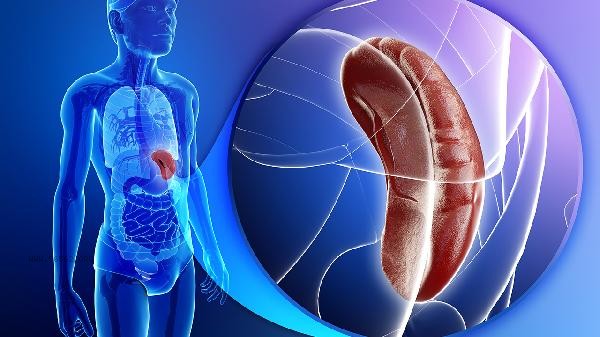
physiological splenic enlargement usually has no obvious symptoms, and a few may experience left upper abdominal pain or bloating. Physiological splenic enlargement may be related to factors such as intense exercise, altitude sickness, pregnancy, infection recovery period, and increased hematopoietic demand.
1. Intense exercise
High intensity exercise may cause temporary congestion and enlargement of the spleen, which is a physiological response of the body to adapt to an increase in oxygen demand. After stopping exercise, the volume of the spleen will gradually return to normal and usually does not require special treatment. It is recommended to warm up and relax before and after exercise.
2. High altitude sickness
Under hypoxic conditions, the spleen will compensate for enlargement to enhance blood storage function, which may be accompanied by mild chest tightness and shortness of breath. Entering high-altitude areas requires gradual adaptation to changes in altitude, replenishment of water, and avoidance of strenuous activities. Most people can retract their spleen volume on their own after the adaptation period ends.
3. Pregnancy
Increased blood volume in the middle and late stages of pregnancy may cause mild enlargement of the spleen, which is a normal regulation of maternal blood supply to the fetus. Pregnant women should undergo regular prenatal check ups to monitor their blood routine and avoid compressing their left abdominal position. After delivery, the size of the spleen can be restored to its pre pregnancy state.
4. Recovery period of infection
After viral infection, the activation of the immune system may lead to temporary enlargement of the spleen, which is common in the recovery stage of colds or gastroenteritis. At this time, the texture of the spleen palpation is relatively soft, and it will gradually shrink as the immune system recovers. Pay attention to whether there are any abnormal symptoms such as persistent fever.
5. Increased demand for hematopoiesis
During the growth and development period of adolescents or after blood donation, when hematopoietic function is hyperactive, the spleen may compensatory enlarge to help generate blood cells. Ensure a diet rich in iron and high-quality protein, avoid excessive fatigue, and the spleen volume will naturally adjust when the demand for hematopoiesis decreases. Physiological splenic enlargement generally does not require treatment, but regular follow-up ultrasound monitoring is needed to monitor changes. Avoid abdominal trauma in daily life, control exercise intensity, and ensure sufficient sleep. If there are abnormal symptoms such as persistent abdominal pain, fever, and sudden weight loss, it is necessary to seek medical attention promptly to rule out pathological splenomegaly. In terms of diet, it is advisable to increase blood nourishing foods such as animal liver and dark vegetables in moderation, and avoid drinking alcohol to reduce the metabolic burden on the spleen.








Comments (0)
Leave a Comment
No comments yet
Be the first to share your thoughts!