
Patients with gallstones generally need to avoid eating spicy food to avoid stimulating gallbladder contraction and inducing biliary colic.
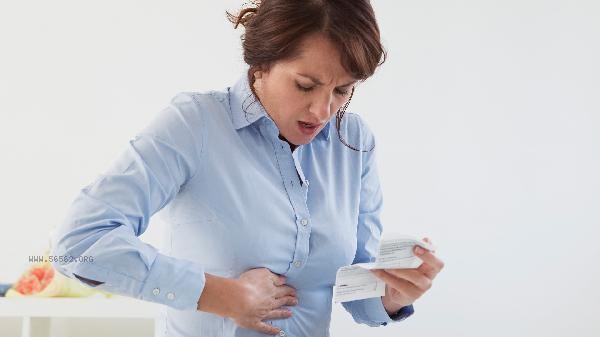
Ingredients such as capsaicin in spicy foods can stimulate the gastrointestinal mucosa, promote the secretion of cholecystokinin, and may lead to strong contraction of the gallbladder. For patients with gallstones, this contraction can easily cause the stones to get stuck in the neck of the gallbladder or common bile duct, leading to severe pain, nausea, and vomiting in the upper right abdomen. The typical manifestation is paroxysmal colic after eating greasy or spicy food, and the pain may radiate to the right shoulder and back. Some patients may also experience symptoms of biliary obstruction such as fever and jaundice. Commonly used drugs in clinical practice, such as anti-inflammatory and choleretic tablets and Danshu capsules, can alleviate symptoms. In severe cases, laparoscopic cholecystectomy may be considered. Patients with gallstones should have a light and easily digestible diet, ensure sufficient water intake daily, and eat regularly to avoid overeating. Increasing dietary fiber intake appropriately, such as oats, apples, etc., can help with cholesterol metabolism. Pay attention to observing abdominal reactions after eating. If pain or indigestion occurs repeatedly, it is recommended to promptly undergo ultrasound evaluation to assess the condition of the stones. postoperative patients also need to gradually adjust their dietary structure to avoid excessive intake of high-fat and high sugar foods.








Comments (0)
Leave a Comment
No comments yet
Be the first to share your thoughts!