
Obesity in women after marriage may be related to factors such as hormonal changes, changes in dietary structure, reduced exercise, increased psychological stress, and decreased metabolic rate.

1. Hormonal changes
After marriage, the hormone levels in women's bodies may fluctuate, especially the changes in estrogen and progesterone after childbirth, which can affect fat distribution. The fat accumulation habit formed by some women during pregnancy may continue into married life, leading to significant accumulation of fat in the waist and abdomen. Hormonal dysregulation may also affect the appetite center, increasing the desire for high calorie foods.
2. Changes in dietary structure
Living together after marriage often leads to mutual influence of dietary habits, and some women may cooperate with their spouse to choose a higher calorie diet pattern. The proportion of oil and carbohydrates in home cooking may increase, coupled with an increase in the frequency of takeout and meals, making daily calorie intake more likely to exceed pre marital levels. The implication of "happiness and obesity" in traditional beliefs may also lead to a weakening of dietary control awareness.
3. Decreased physical activity
Marriage life may change the original exercise rhythm, and household chores, parenting responsibilities, etc. may occupy personal exercise time. Some women have reduced social activities after marriage, and their walking and fitness frequency have significantly decreased. Long term sitting to handle family affairs results in a continuous decrease in basal metabolic expenditure, leading to a state of positive energy balance.
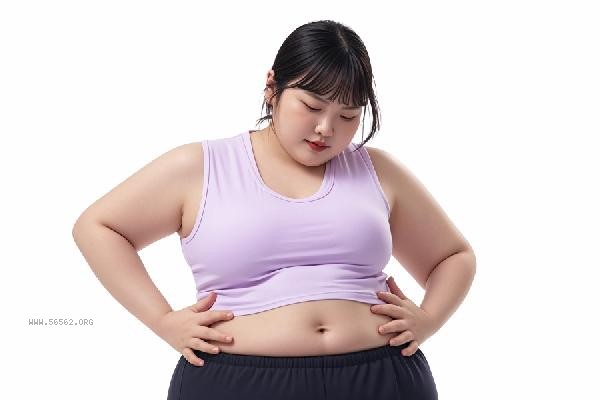
4. Increased psychological stress
The adaptation pressure brought about by role transition may trigger emotional eating, which can alleviate family relationships or economic pressure through food. Some women may unconsciously express their psychological demands through weight gain when their sense of self-worth decreases in marriage. The increase in cortisol caused by decreased sleep quality can also promote visceral fat accumulation.
5. Decreased metabolic rate
The natural metabolic slowdown caused by aging overlaps with the marital stage, and the annual loss of muscle mass reduces resting energy consumption. Multiple pregnancies may alter the structure of abdominal muscles, and poor postpartum recovery can have a long-term impact on core muscle function. Thyroid function may experience slight abnormalities due to stress, further reducing calorie expenditure efficiency.

It is recommended that married women maintain regular sleep and dietary records, work together with their partners to develop a health plan, and choose sports that both parties can participate in, such as brisk walking, badminton, etc. When cooking, use steaming and boiling methods more often, control the amount of cooking oil, and increase the proportion of vegetables and fruits. Regularly conduct body composition testing, focusing on changes in waist hip ratio rather than just weight numbers. When there is sustained weight gain, one can consult a nutrition or endocrinology department to rule out pathological factors such as polycystic ovary syndrome. Establishing a positive body image cognition, avoiding marital conflicts caused by weight issues, and health management should become a common goal for couples rather than a personal burden.








Comments (0)
Leave a Comment
No comments yet
Be the first to share your thoughts!