
After divorce, women can adjust their mentality through psychological adjustment, social support, self reconstruction, emotional management, and future planning. Divorce may be caused by emotional breakdown, value conflicts, economic pressure, family conflicts, or personality differences, and targeted measures should be taken based on specific circumstances.
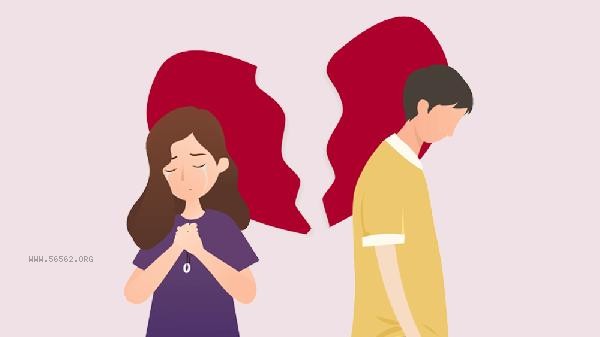
1. Psychological Adjustment
Accepting reality is the first step in adjusting one's mindset, and emotions can be released through writing diaries or artistic expression. Cognitive behavioral therapy can help correct negative thinking patterns, such as redefining failed marriages as life experiences. Mindfulness meditation practice can help alleviate anxiety, and practicing breathing exercises at a fixed time every day can stabilize emotions. Professional psychological counseling can provide a neutral perspective, while group counseling can receive empathetic support.
2. Social Support
It is important to establish new social circles and participate in book clubs or interest groups to expand interpersonal relationships. Maintain moderate contact with understanding family and friends, but avoid excessive reliance on a single source of support. Online divorce communities can provide anonymous space for confession, while offline support groups facilitate observation of others' coping patterns. It is important to distinguish between effective support and ineffective comfort, and choose a network that can provide constructive feedback.
3. Self reconstruction
Redefining personal identity is key, as it can establish new life support points through career development or skill learning. Body image management can enhance confidence, and regular exercise not only improves body shape but also promotes endorphin secretion. Cultivate independent decision-making ability and practice independent choice from small things. Setting achievable short-term goals can enhance self-efficacy with each completion.

4. Emotional Management
During periods of emotional fluctuations, emotional diaries can be used to record trigger points and identify response patterns in specific contexts. When strong emotions arise, use pause techniques to delay the reaction. Establish an emotional first aid kit and prepare instant soothing tools such as soothing music lists or stress relieving toys. Regular sleep and balanced diet can stabilize biological rhythms and reduce physiological triggers for emotional fluctuations.
5. Future Planning
Develop a three-year life planning framework, retaining moderate flexibility for adjustment. The financial independence plan should include emergency reserves and long-term investments, and professional financial advisors should be consulted when necessary. Emotional goals can be set in stages, ranging from adapting to solitude to cautiously trying new relationships. Regularly evaluate the progress of the plan and break down the major goals into specific steps that can be quantified quarterly. The adjustment of mentality after divorce requires time accumulation. It is recommended to maintain regular exercise such as yoga or swimming to help relax the body and mind, and increase the intake of foods rich in tryptophan such as sea fish and bananas in the diet. Set aside some alone time every day for reflective reading and gradually establish a new pace of life. Participating in volunteer activities can shift attention and gain a sense of value, while travel or environmental changes can also help with psychological recovery. If sleep disorders or depressive symptoms persist, professional psychological assistance should be sought in a timely manner.









Comments (0)
Leave a Comment
No comments yet
Be the first to share your thoughts!