
Melasma can be improved through sun protection care, topical medication, oral medication, laser therapy, traditional Chinese medicine conditioning, and other methods. Melasma may be related to factors such as ultraviolet radiation, endocrine disorders, genetic factors, skin inflammation, and drug stimulation.

1. Sunscreen Care
Ultraviolet radiation is the main factor that induces and exacerbates melasma, and physical and chemical sunscreen should be strictly implemented in daily life. When going out, it is recommended to wear a wide brimmed hat, use a parasol, and apply broad-spectrum sunscreen. Choose products with SPF30 or above and containing PA+++. Sunscreen is still necessary on cloudy days or indoors near windows, as UVA in ultraviolet rays can penetrate glass. Sunscreen needs to be maintained throughout the year, and ultraviolet intensity is still relatively high in high-altitude areas during winter.
2. Topical medication
Hydroquinone cream is a commonly used fading agent in clinical practice, which can inhibit tyrosinase activity and reduce melanin synthesis. Azeoic acid can competitively inhibit tyrosinase and has a good effect on post inflammatory pigmentation. Vitamin A acid drugs can promote epidermal replacement, but attention should be paid to possible skin irritation. The use of topical medications should be combined with moisturizing and repairing products to avoid damage to the skin barrier. Stubborn melasma can be treated with triple therapy, which involves the combination of hydroquinone, retinoic acid, and glucocorticoids.
3. Oral medication
tranexamic acid reduces melanin synthesis by inhibiting plasminogen activator, which is effective for some patients with melasma. Vitamin C and vitamin E, as antioxidants, can assist in improving pigmentation. Traditional Chinese medicine commonly uses formulas such as Xiaoyao San and Taohong Siwu Tang to regulate the liver, regulate qi, promote blood circulation, and remove blood stasis. Oral medication should be used under the guidance of a doctor, with particular attention paid to the potential side effects of tranexamic acid, such as reduced menstrual flow.

4. Laser therapy
Q-switched laser can selectively destroy melanin particles and has a good effect on epidermal melasma. Intense pulsed light can improve overall uneven skin color, but requires multiple treatments. Temporary pigmentation or reduction may occur after laser surgery, and strict postoperative care is required. The recommended treatment interval is at least one month, as overtreatment may worsen pigmentation. Laser combined with medication or fruit acid skin rejuvenation can improve efficacy, but parameters should be carefully selected for dark skinned individuals.
5. TCM recuperation
Liver stagnation and qi stagnation type can be combined with acupuncture and moxibustion and moxibustion at Taichong, Zusanli and other acupoints to relieve liver depression. For those with insufficient Qi and blood, moxibustion at acupoints such as Guan Yuan and Qi Hai can be used to warm and replenish Qi and blood. Ear acupressure selects reflex areas such as endocrine, liver, and kidney to regulate overall function. Traditional Chinese medicine facial mask is commonly used to whiten medicinal materials such as Angelica dahurica and Poria cocos. Traditional Chinese medicine treatment has a long cycle and requires emotional regulation and regular sleep patterns.
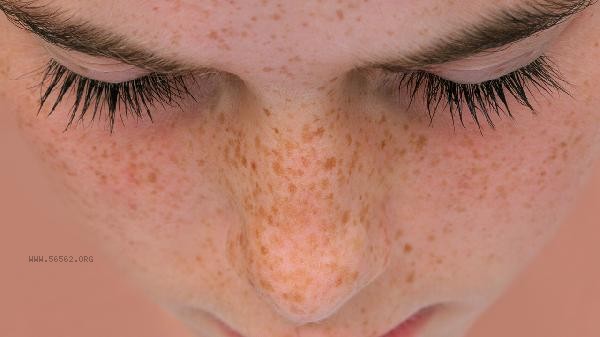
The treatment of melasma needs to be persisted for 3-6 months to take effect, and it is recommended to adopt a comprehensive treatment plan. In daily life, it is necessary to maintain sufficient sleep and avoid staying up late and emotional fluctuations. Eat more citrus fruits and kiwis rich in vitamin C, as well as nuts rich in vitamin E. Be cautious with whitening products containing heavy metals such as mercury and lead, and avoid using irritating cosmetics. During the treatment period, it is recommended to take photos every month to record changes in pigmentation and adjust the treatment plan in a timely manner. If combined with thyroid disease or gynecological endocrine problems, synchronous treatment of the primary disease is necessary.








Comments (0)
Leave a Comment
No comments yet
Be the first to share your thoughts!