
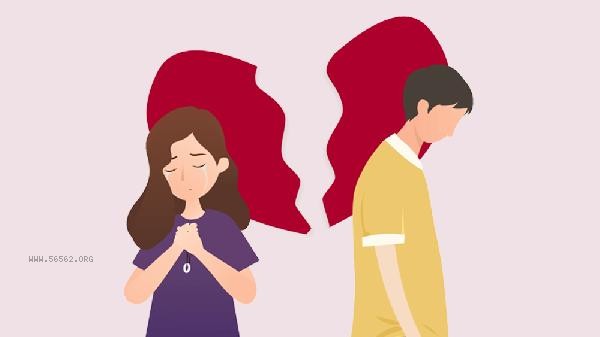
Women's thoughts of divorce are often related to emotional alienation, conflicting values, economic conflicts, domestic violence, or major issues of principle. Specific factors may include long-term communication barriers, extramarital affairs, economic control, physical and mental abuse, or irreconcilable parenting beliefs.

1. Emotional alienation
Long term unfulfilled emotional needs in marriage are common triggers. When there is a lack of effective communication between spouses, a significant decrease in the frequency of intimate behavior, or long-term separation leading to broken emotional connections, women may consider divorce due to emotional loneliness. This situation is often accompanied by persistent cold violence, and although there is no intense conflict between the two parties, their emotional accounts have been severely overdrawn.
2. Conflict of Values
Differences in core values can form fundamental contradictions in long-term interactions. This includes cognitive differences in family division of labor, opposing consumer attitudes, conflicts in religious beliefs, or differences in children's educational beliefs. When the space for compromise is exhausted, women may choose to end their marriage to maintain their self-worth system, which is particularly evident in couples with inconsistent personal growth rates after marriage.
3. Economic Conflict
Economic control or financial opacity can undermine the foundation of marital trust. This includes behaviors such as concealing income, excessively interfering with spouse consumption, and refusing to bear household expenses. Some women may choose to divorce in order to protect their own and their children's economic interests when they encounter addictive economic destructive behaviors such as gambling by their spouse.
4. Domestic violence
Physical violence and mental abuse are clear signals of divorce. Physical injury, verbal insults, social isolation, and other behaviors can directly threaten personal safety and mental health. Modern women have a reduced tolerance for controlling behavior in intimate relationships and are more inclined to dissolve their marriage through legal means when facing violence.
5. Issues of Principle
Behaviors that touch the bottom line, such as extramarital affairs, illegal activities, major deception, etc., will directly destroy the marriage. Women are more likely to consider their children's upbringing and personal dignity when facing infidelity from their spouse, in addition to emotional harm. Even if some fundamental issues are forgiven, the difficulty of rebuilding trust may still lead to eventual divorce. When a marriage crisis arises, it is recommended to prioritize professional interventions such as marriage counseling. Through psychological counseling, identify core contradictions and distinguish between adjustable issues and principled harm. If personal safety is involved, legal protection should be sought immediately, and economically independent women can obtain property notarization in advance. Regardless of the final choice, it is crucial to maintain rational decision-making and self-care. Before making major decisions, it is advisable to consult a professional lawyer for a rights protection plan.









Comments (0)
Leave a Comment
No comments yet
Be the first to share your thoughts!