
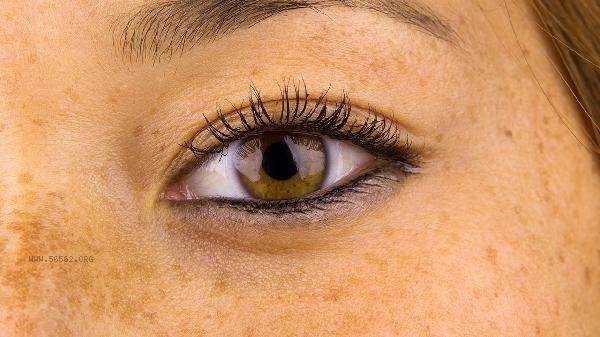
The formation of melasma is mainly related to endocrine disorders, ultraviolet radiation, genetic factors, skin barrier damage, chronic inflammatory stimulation, and other factors. Melasma is a common facial pigmentation skin disease that occurs mostly in women of childbearing age, characterized by symmetrically distributed yellow brown or dark brown patches.
1. Endocrine disorders
An increase in estrogen levels in women can stimulate the activity of melanocytes, leading to excessive melanin production. Hormonal levels fluctuate significantly during pregnancy, oral contraceptives, menopause, and other periods, which can easily induce melasma. This situation requires regulating the endocrine system, avoiding the use of hormone containing drugs, and seeking medical attention for hormone level testing if necessary.
2. Long term exposure to sunlight can activate tyrosinase activity and accelerate melanin synthesis. Ultraviolet radiation can also cause oxidative stress in the skin, producing a large amount of free radicals that damage skin cells. Daily sun protection measures should be taken, using sunscreen with SPF30 or above, and avoiding prolonged outdoor activities between 10am and 4pm.
3. Genetic factors
People with a family history have a higher probability of developing the disease, which may be related to specific genes affecting melanocyte function. This group of people needs to pay more attention to prevention, establish good sun protection habits from an early age, and avoid triggering factors. Hereditary melasma is often difficult to treat and requires long-term adherence to comprehensive treatment.
4. Skin barrier damage

Improper skincare behaviors such as excessive cleaning and frequent exfoliation can damage the skin barrier function, making the skin more susceptible to external stimuli. Damaged barriers cannot effectively block ultraviolet rays and pollutants, exacerbating pigmentation. Mild cleansing products should be chosen, avoiding the use of irritating skincare products, and using repair ingredients such as ceramides appropriately.
5. Chronic inflammatory stimulation
Recurrent skin inflammation can lead to post inflammatory pigmentation, such as acne, dermatitis, and other skin problems that may develop into melasma if not handled properly. Timely treatment of primary skin problems, avoiding scratching and irritation, strict sun protection during inflammation, and the use of anti-inflammatory and restorative skincare products to reduce the risk of pigmentation.
Preventing and improving melasma requires comprehensive regulation. In addition to avoiding the above causes, it is recommended to maintain a regular schedule, ensure sufficient sleep, and supplement antioxidants such as vitamin C and vitamin E appropriately. Eat more fresh vegetables and fruits in your diet, and avoid spicy and stimulating foods. Maintain a positive mindset and avoid long-term mental stress. If melasma continues to worsen, it is recommended to seek timely medical attention at a dermatologist and receive standardized treatment under the guidance of a doctor. Do not use freckle removal products on your own to avoid aggravating skin damage.









Comments (0)
Leave a Comment
No comments yet
Be the first to share your thoughts!