
Men's feelings after divorce usually go through a process from emotional lows to gradual adaptation. In the early stages, they may experience feelings of loss, loneliness, and anxiety, and in the later stages, they may turn to self reflection or new life planning. In the early stages of divorce, men generally experience significant emotional fluctuations. The feeling of loss stems from the change in identity brought about by the breakdown of marital relationships, and some people may experience sleep disorders or changes in appetite. Loneliness is particularly evident after living alone, especially when it comes to the separation of custody of children. Economic pressure is also a common reaction, especially for groups who need to pay child support or whose living standards have declined after property division. Some people may develop self doubt and repeatedly think about the reasons for marriage failure. Social circle changes may also bring discomfort, such as a decrease in mutual friends or excessive concern from family and friends.
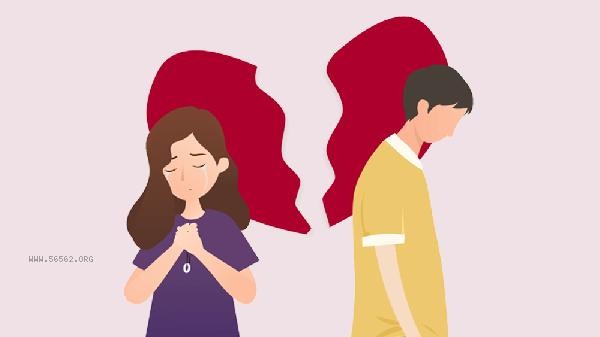
With the passage of time, different directions may emerge during the adaptation phase. Some people shift their attention and gradually establish a new pace of life by engaging in work or developing new hobbies. Individuals with a strong desire to remarry will actively expand their social circle, but it is also not uncommon for trust in intimate relationships to decrease. Dealing with the relationship with children has become an important issue, and the smooth implementation of visitation rights may lead to a closer father son relationship. After the economic situation stabilizes, some people will have new thoughts on future planning. Very few individuals may experience long-term psychological distress, such as persistent depression or avoidance behaviors like alcohol abuse.

It is recommended to maintain a regular schedule and moderate exercise after divorce, and avoid using alcohol to numb emotions. Talking to trusted friends or seeking psychological counseling can help alleviate stress. Participating in interest groups or volunteer activities can expand one's social circle, and economic planning can be consulted with professionals to reduce anxiety. If you experience persistent insomnia and low mood for more than two weeks, it is recommended to seek evaluation at a psychiatric department. The arrangement of child visits should prioritize the needs of the children and avoid passing on conflicts to the next generation.









Comments (0)
Leave a Comment
No comments yet
Be the first to share your thoughts!