
Gastric ulcers usually do not directly affect sexual function, but may interfere with the quality of sexual life through indirect factors. The association between gastric ulcer and sexual dysfunction mainly includes pain and discomfort, medication side effects, psychological stress, decreased sleep quality, and nutritional absorption disorders.

1. Pain and discomfort
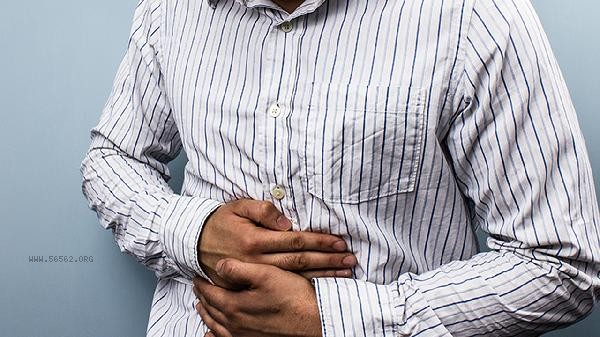
During the onset of gastric ulcer, burning pain in the upper abdomen may affect the physical state during sexual activity. Pain can cause distraction, restricted posture, and in severe cases, may lead to decreased libido. It is recommended to avoid vigorous exercise during acute attacks and gradually recover after the symptoms subside.
2. Drug side effects
Some drugs used to treat gastric ulcers, such as ranitidine and omeprazole, may cause adverse reactions such as fatigue or dizziness. Long term use of proton pump inhibitors may affect testosterone levels, but this situation is relatively rare. Any abnormalities during medication should be promptly communicated with the doctor to adjust the plan.
3. Psychological stress
Anxiety caused by chronic stomach diseases may indirectly lead to sexual dysfunction. Patients often develop a tendency towards depression due to recurrent pain, which may manifest as decreased libido or difficulty achieving an erection. If necessary, seek psychological counseling to help relieve stress.

4. Decreased sleep quality
Nighttime acid reflux can disrupt sleep rhythms, and long-term sleep deprivation may affect hormone secretion in the body. There is a certain correlation between sleep disorders and decreased testosterone levels, and maintaining a regular schedule can help improve overall functional status.
5. Nutritional absorption disorders
Severe gastric ulcers may affect the absorption of trace elements such as iron and zinc. Zinc deficiency is related to hypogonadism and can be improved by supplementing foods such as oysters and lean meat in moderation. However, it is important to avoid consuming stimulating foods on an empty stomach to worsen ulcers. Patients with gastric ulcers should maintain a light diet and avoid stimulating the mucous membranes with alcohol and spicy foods. Regular eating can help alleviate symptoms, and in the acute phase, it is recommended to eat small and frequent meals. Moderate low-intensity exercise such as walking can promote gastrointestinal peristalsis, but immediate exercise after meals should be avoided. If there are warning symptoms such as persistent weight loss or bloody stools, timely gastroscopy examination should be performed. After standardized treatment and lifestyle adjustments, most patients' physical functions can gradually return to normal.








Comments (0)
Leave a Comment
No comments yet
Be the first to share your thoughts!