
A woman's breakup may be a genuine desire to break up, or it may be an emotional outburst or a test of the relationship. The authenticity of the intention to break up is usually related to factors such as communication patterns, degree of conflict accumulation, and consistency of behavior. When women initiate a breakup, if it is accompanied by long-term unresolved conflicts, emotional distance, social circle segmentation, and other behaviors, it often reflects the true intention of separation. This type of situation usually involves multiple instances of ineffective communication, where the core needs of both parties have not been met for a long time, and there are pre signals such as reducing contact and avoiding intimate interactions before proposing a breakup. Some women may convey a rational decision to break up by clearly expressing their dissatisfaction with the relationship and calmly analyzing the root cause of the problem. If the breakup proposal appears during intense arguments or sudden conflicts, it is more likely to be a temporary emotional response. In such cases, women may proactively ease their attitude after the conflict or indirectly express their attachment through other channels. Emotional breakups are often accompanied by the immediacy of conflicting events, lacking long-term behavioral groundwork. Even after being proposed, they still pay attention to the other party's reaction and even actively create opportunities for contact. But repeatedly using breakups as a threat may ultimately lead to a substantial breakdown of the relationship.
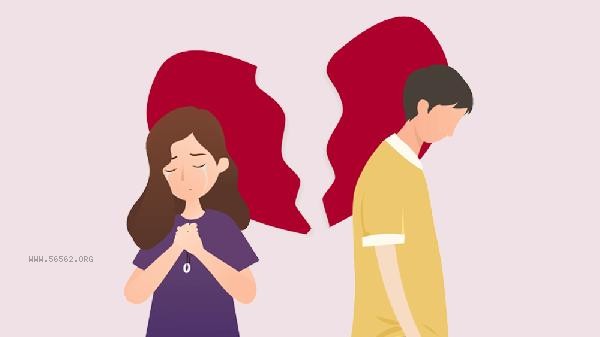
When faced with a breakup proposal, it is recommended to avoid immediate entanglement or cold war, and prioritize calmly analyzing the core conflicts between the two parties. The true intention can be determined by observing the consistency of subsequent behavior. If the other party continues to avoid communication and has no willingness to repair it, they may need to accept the end of the relationship. Reducing contact in the short term can help calm emotions. If necessary, seek professional psychological counseling to help sort out relationship patterns. Regardless of the outcome, pay attention to self psychological adjustment.










Comments (0)
Leave a Comment
No comments yet
Be the first to share your thoughts!