
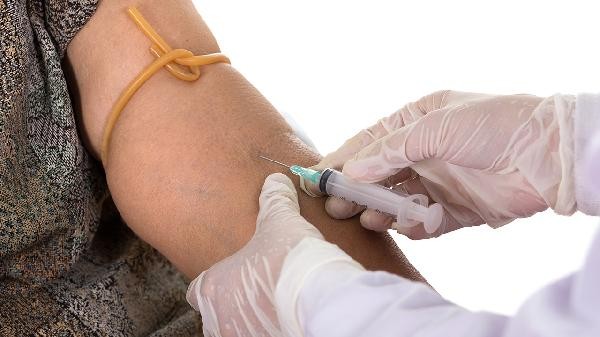
Before checking blood lipids, it is recommended to fast for 8-12 hours to ensure the accuracy of the test results. The main reasons include avoiding food intake that can affect blood lipid levels in the short term and making the test data closer to the body's baseline state.

Why is fasting necessary for checking blood lipids?
The purpose of blood lipid testing is to evaluate indicators such as cholesterol and triglycerides in the blood, which are directly affected by food intake. For example, after eating, triglycerides will significantly increase, which can lead to high test results that cannot truly reflect the fasting blood lipid concentration. The test results under fasting conditions can more accurately assess the risk of cardiovascular and cerebrovascular diseases.
How to control fasting time
Fasting time generally requires 8-12 hours, as being too short can cause residual food to affect the detection, while being too long may increase the level of metabolic products in the body due to hunger, thereby affecting the stability of the results. During fasting, it is recommended to drink moderate amounts of water, but it is important to avoid consuming alcohol, coffee, tea, and other beverages.
3 What special circumstances may not require fasting
The latest research shows that for some patients, such as acute coronary heart disease attack, diabetes patients, etc., blood lipids can also be detected under non fasting conditions. For routine physical examinations or specific disease monitoring, doctors still recommend fasting. Some laboratories have adopted new testing methods that can be applied to non fasting conditions, but still need to follow the guidance of doctors.
4 How to prepare for blood lipid testing
In order to achieve more accurate testing, besides fasting, one should avoid high-fat, high protein, and high sugar diets the day before the test, avoid vigorous exercise or alcohol consumption, and ensure adequate sleep. If you are taking lipid-lowering drugs or other drugs that affect blood lipids, you should be informed so that you can adjust the medication time or explain the test results. Ensuring fasting status is an important prerequisite for conducting blood lipid testing, which can more accurately assess the body's metabolism and cardiovascular health. If you have any questions about the examination requirements or are in a special stage of illness, it is recommended to consult a doctor for professional guidance. Pay attention to daily diet and sleep, which can also help control blood lipid levels.








Comments (0)
Leave a Comment
No comments yet
Be the first to share your thoughts!