
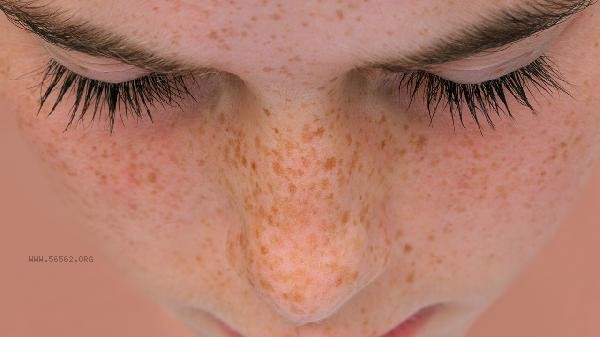
Melasma is generally difficult to completely remove, but can be significantly reduced through treatment and care. The main methods for improving melasma include medication treatment, phototherapy, chemical exfoliation, daily sun protection, and lifestyle adjustments.
1. Drug therapy
Hydroquinone cream reduces melanin production by inhibiting tyrosinase activity and is suitable for epidermal melasma. Tranexamic acid tablets can be taken orally or injected locally to reduce melanin synthesis by inhibiting plasminogen. Vitamin A yogurt cream can promote epidermal replacement, but it needs to be used in conjunction with sunscreen. Drug treatment may last for several months, and some patients may experience skin irritation reactions, requiring adjustments to the plan under the guidance of a doctor.
2. Phototherapy
Q-switched laser selectively destroys melanin particles and has a good effect on dermal melasma. Intense pulsed light decomposes pigments through photothermal action, requiring multiple treatments and precise energy control. Radiofrequency microneedles improve uneven skin tone by stimulating collagen recombination, but may cause temporary erythema. Phototherapy poses a risk of blackening, and strict sun protection and use of repair products are required after surgery.
3. Chemical exfoliation
Fruit acid peels the skin by accelerating keratin shedding and promoting epidermal renewal, suitable for shallow pigmentation. Salicylic acid has dual anti-inflammatory and exfoliative effects, and has a significant effect on color fading after inflammation. Compound acid therapy requires adjusting the concentration according to skin tolerance, which may cause temporary desquamation. Chemical exfoliation should be repeated at intervals of several weeks, and exposure to sunlight and irritating skincare products should be avoided during the treatment period.

4. Daily Sunscreen
Physical sunscreen contains ingredients such as titanium dioxide, which prevent the aggravation of pigmentation by reflecting ultraviolet rays. Broad spectrum sunscreen should be used daily and reapplied every two hours, and protection is still necessary on rainy days. Hard sunscreens such as wide brimmed hats and umbrellas can block direct sunlight, and are more effective when combined with sunscreen. Ultraviolet radiation is the main cause of melasma, and strict sun protection can reduce the probability of recurrence.
5. Adjusting lifestyle habits
Supplementing with vitamin C and vitamin E can help with antioxidation and reduce melanin synthesis. Ensuring sufficient sleep can regulate endocrine function and improve hormone related pigmentation such as liver spots. Stress reducing activities such as yoga can lower stress hormone levels and prevent the worsening of pigmentation. Smoking cessation and alcohol restriction can reduce free radical damage and maintain stable skin barrier function. The treatment of melasma requires comprehensive management, and the effectiveness of a single method is limited. It is recommended to develop personalized plans under the guidance of a dermatologist and conduct regular follow-up visits to evaluate the effectiveness during treatment. Long term sun protection habits should be established in daily life, avoiding the use of irritating cosmetics, maintaining a regular schedule and balanced diet. After the fading of pigmentation, it may still recur, and continuous care is crucial to maintain the effect. If accompanied by menstrual disorders or thyroid abnormalities, it is recommended to perform endocrine regulation simultaneously.









Comments (0)
Leave a Comment
No comments yet
Be the first to share your thoughts!