
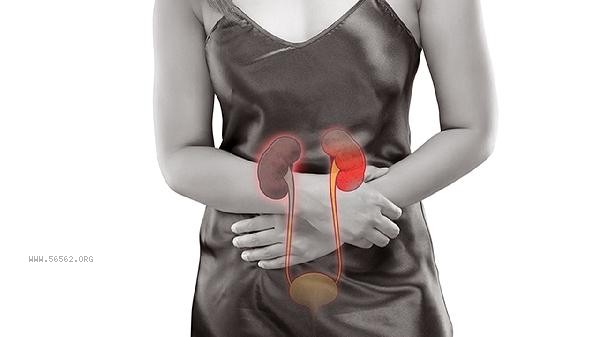
Female patients with renal tuberculosis who have sexual intercourse generally do not have direct transmission, but there is a very low probability of indirect transmission risk. Renal tuberculosis is mainly transmitted through the blood or lymphatic system, and sexual activity is not the main route of transmission. However, caution should be exercised when coexisting with urogenital tuberculosis or having open lesions. The pathogen of renal tuberculosis usually spreads to the kidneys through the bloodstream, and the lesions are mostly confined to the renal parenchyma. The number and activity of Mycobacterium tuberculosis in urine are relatively low. When the urinary and reproductive system mucosa of a healthy partner is intact, it is difficult to be infected even when in contact with urine containing bacteria. During daily sexual intercourse, the probability of infection can be ignored if both parties have no damage to their skin and mucous membranes and have not come into contact with the patient's secretions. When patients have bladder tuberculosis, ureteral tuberculosis, or reproductive system tuberculosis at the same time, the lesion may excrete live bacteria through secretions. At this point, if the partner has mucosal damage or weakened immunity, there is theoretically a possibility of indirect contact transmission. If patients with combined pulmonary tuberculosis transmit tuberculosis bacteria through droplets, it is not related to renal tuberculosis itself.

It is recommended that patients with renal tuberculosis maintain a moderate frequency of sexual activity during treatment, pay attention to cleanliness before and after sexual intercourse, and avoid direct contact of bodily fluids with the wound. Patients should take anti tuberculosis drugs such as isoniazid and rifampicin in a standardized manner, and regularly check urine tuberculosis bacterial culture until it turns negative. If a partner experiences long-term symptoms such as low-grade fever and frequent urination, it is necessary to promptly screen for tuberculosis infection. Daily nutrition intake should be ensured, and high-quality protein and vitamin A should be supplemented appropriately to enhance mucosal defense ability.









Comments (0)
Leave a Comment
No comments yet
Be the first to share your thoughts!