
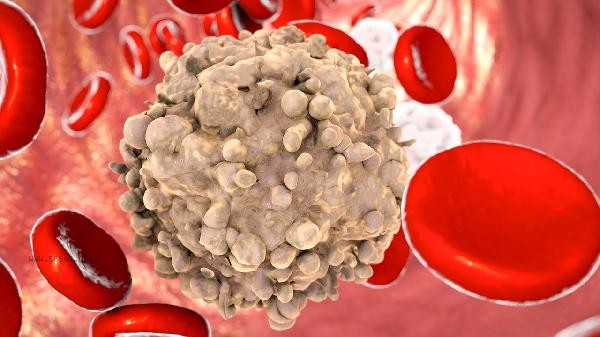
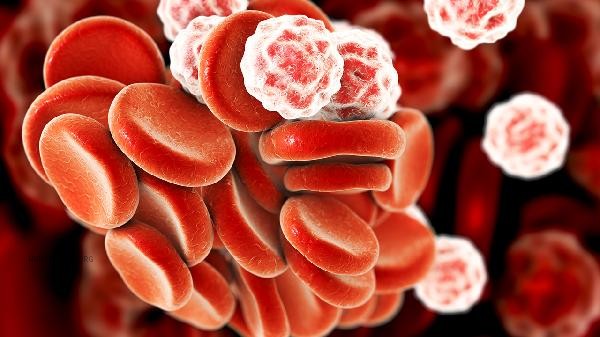
White blood cells may be elevated during a cold examination. Colds are often caused by viral infections, but in some cases they may also be accompanied by bacterial infections, during which the white blood cell count may increase. Cold is mainly caused by pathogens such as rhinovirus and coronavirus. In the early stage of viral infection, it usually does not lead to a significant increase in white blood cells, and may even result in normal or mild decrease in white blood cell count. After the virus invades the human body, the immune system will mobilize lymphocytes to participate in defense, and the proportion of neutrophils may be relatively reduced at this time. If you are in the early stage of a cold during a physical examination, your blood routine may show that the total white blood cell count is within the normal range or slightly decreased, and an increase in the proportion of lymphocytes is a more common manifestation. When the course of a cold is long or secondary to bacterial infection, the white blood cell count may increase. Bacterial infection can stimulate the bone marrow to accelerate the generation of neutrophils, leading to an increase in the total number of peripheral white blood cells. At this time, physical examination can reveal that the white blood cell count exceeds the normal upper limit. Common secondary bacterial infections include acute bacterial sinusitis, suppurative tonsillitis, etc. In addition to elevated white blood cells, the proportion of neutrophils also significantly increases, which may be accompanied by an increase in inflammatory indicators such as C-reactive protein. When high white blood cell count is found during physical examination, it is recommended to make a comprehensive judgment based on clinical symptoms and other examination indicators. Mild elevation of white blood cells caused by a simple cold usually returns to normal after infection control and does not require special treatment. If it continues to rise or is accompanied by other abnormal symptoms, timely medical attention should be sought to determine whether there is a bacterial infection or other blood system diseases. During a cold, it is important to maintain sufficient rest, increase water intake in moderation, and avoid vigorous exercise that may affect the accuracy of physical examination results.









Comments (0)
Leave a Comment
No comments yet
Be the first to share your thoughts!