
During a cold, a physical examination may affect the accuracy of some test results, but most routine items are not affected. It needs to be judged based on specific physical examination items, mainly involving blood routine, urine routine, imaging examinations, etc. A cold may cause an increase in white blood cell count or abnormal lymphocyte ratio, which can interfere with the interpretation of blood routine results. Viral colds may lead to a decrease in neutrophils and an increase in lymphocytes, while bacterial infections may manifest as an increase in neutrophils. Urine routine may result in increased urine density or trace protein due to fever, but it usually does not affect renal function assessment. Chest X-rays or lung CT scans may show non-specific changes such as texture thickening due to respiratory inflammation, which need to be differentiated from underlying diseases. electrocardiogram examination is generally not affected by colds, but if accompanied by obvious fever or palpitations, sinus tachycardia may occur. If the physical examination includes immune function testing or allergen screening, acute upper respiratory tract infection may cause fluctuations in IgE levels. Taking cold medicine may interfere with liver function indicators, such as acetaminophen causing a temporary increase in transaminase levels. Before conducting a glucose tolerance test, it is necessary to ensure that there is no fever or infection, otherwise it may affect insulin sensitivity assessment. Individuals planning to undergo thyroid function tests should be aware that pseudoephedrine in cold medicine may slightly interfere with thyroid stimulating hormone levels.
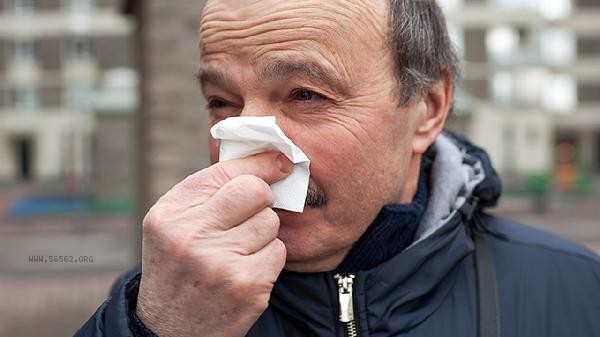
It is recommended that individuals with mild symptoms undergo a normal physical examination, but they should proactively inform the doctor of their current medication status. If there is a high fever or severe cough, invasive examinations can be postponed or fasting tests may be required. Avoid taking pigmented drugs 24 hours before the physical examination to prevent interference with endoscopic observation. Checking abnormal indicators one week after recovering from a cold can effectively rule out false positive results. Daily attention to keeping warm and resting, and appropriate supplementation of vitamin C can help shorten the course of the disease.









Comments (0)
Leave a Comment
No comments yet
Be the first to share your thoughts!