
Moderate fatty liver may develop into cirrhosis, but the probability is low. The development of fatty liver into cirrhosis usually requires long-term and sustained liver cell damage and inflammatory processes, and timely intervention can effectively prevent the progression of the disease. If patients with fatty liver have long-term metabolic abnormalities or persistent liver damage factors, they may gradually develop into fatty hepatitis and liver fibrosis. These patients often have metabolic problems such as insulin resistance and dyslipidemia, and the liver remains in an inflammatory state. After activation of hepatic stellate cells, excessive secretion of extracellular matrix occurs, leading to fibrous tissue deposition. Over time, fibrous septa form and connect into a network, ultimately disrupting the normal liver lobular structure. During this process, patients may experience non-specific symptoms such as fatigue, hidden pain in the upper right abdomen, and percussion pain in the liver area. Some patients' laboratory tests show mild elevation of transaminases. A small number of patients may experience accelerated disease progression due to genetic susceptibility, concomitant viral hepatitis, or long-term alcohol abuse. The pathological changes in the liver of this high-risk population are more significant, with histological features such as hepatocyte ballooning and Mallory body formation being more pronounced. The progression rate of fibrosis may be faster than that of ordinary patients. Especially when combined with hepatitis C virus infection, virus replication and steatosis can produce a synergistic damaging effect, significantly increasing the risk of cirrhosis. Clinical observations have found that ultrasound examination of such patients often shows that the liver capsule is not smooth and the parenchymal echo is significantly thickened and enhanced.
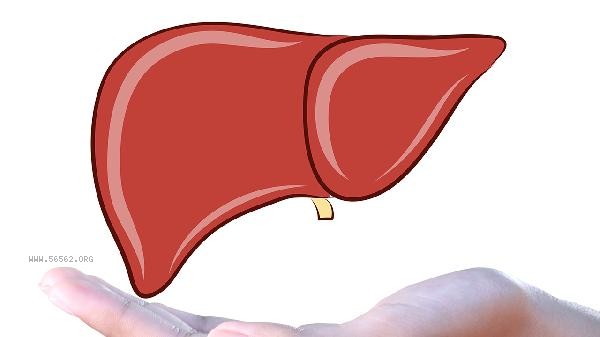
It is recommended that patients with moderate fatty liver undergo liver elasticity testing or FibroScan every 6-12 months to evaluate the degree of fibrosis, maintain a low sugar and low-fat diet daily, and engage in moderate intensity aerobic exercise for at least 150 minutes per week. If there are persistent abnormalities in transaminase levels or signs such as liver palms or spider nevi, it is necessary to seek medical attention promptly at a gastroenterology or liver disease department. If necessary, liver biopsy should be performed to clarify the pathological stage. By controlling weight and improving insulin resistance, most patients can reverse fat degeneration and avoid developing end-stage liver disease.









Comments (0)
Leave a Comment
No comments yet
Be the first to share your thoughts!