
There is no direct correlation between hypotension and weight changes, and individuals with hypotension may experience weight loss or gain due to individual differences. Weight changes mainly depend on factors such as diet, metabolism, and exercise, and low blood pressure itself does not directly lead to weight loss or gain. For patients with low blood pressure, attention should be paid to symptom improvement and health management, rather than simply weight changes.
1. Definition and manifestations of hypotension
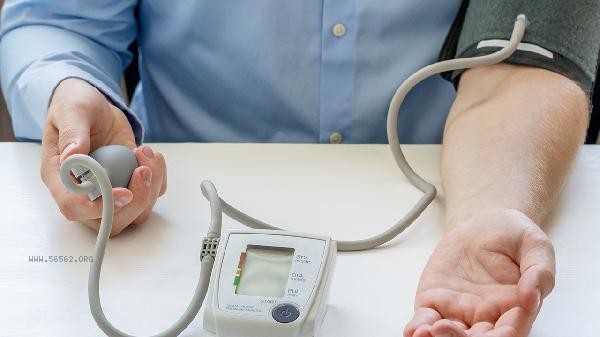
Hypotension refers to blood pressure that remains below the normal range, typically with systolic blood pressure below 90mmHg or diastolic blood pressure below 60mmHg. Common symptoms include dizziness, fatigue, palpitations, and lack of concentration. Hypotension is divided into physiological and pathological types. Physiological hypotension is more common in people with thinner constitutions, while pathological hypotension may be related to heart disease, endocrine disorders, or drug side effects.
2. Relationship between Hypotension and Weight
Hypotension does not directly cause weight gain or loss, but may indirectly affect weight. For example, some patients with low blood pressure may experience weight loss due to loss of appetite or weakened digestive function; Other patients may experience weight gain due to reduced activity or slowed metabolism. The change in weight is more related to an individual's lifestyle habits, dietary structure, and exercise level.
3. Common causes of hypotension
There are various reasons for hypotension, including genetic factors, environmental factors, physiological factors, and pathological factors. Genetic factors may lead to individuals having weaker ability to regulate blood pressure; Environmental factors such as high temperature, dehydration, or prolonged bed rest may cause hypotension; Physiological factors such as pregnancy, aging, or physical weakness can also affect blood pressure; Pathological factors include heart disease, hypothyroidism, severe infections, or malnutrition.

4. Improvement methods for hypotension
For patients with hypotension, it is recommended to improve from the following aspects:
1. Dietary adjustments: increase salt intake, drink moderate amounts of diluted salt water, avoid fasting for too long, and consume more protein and vitamin rich foods such as eggs, milk, lean meat, and fresh vegetables. Moderate exercise: Engaging in regular aerobic activities such as jogging, swimming, or yoga can help enhance cardiovascular function and blood pressure regulation.
3 Lifestyle: Maintain sufficient sleep and avoid sudden changes in position, such as moving slowly from lying down to standing, to reduce dizziness symptoms.
5. Medical advice for low blood pressure
If low blood pressure is accompanied by severe symptoms such as fainting, chest pain, or difficulty breathing, seek medical attention promptly. Doctors may conduct detailed examinations such as electrocardiograms, blood tests, or endocrine function assessments to determine the specific cause of hypotension. Based on the cause, doctors may recommend medication such as dexamethasone, midodrine, or erythropoietin, or treat the primary disease through surgery or other means. Patients with hypotension should focus on overall health management rather than just weight changes. By adjusting diet, exercise, and lifestyle, one can effectively improve symptoms of low blood pressure and enhance their quality of life. If symptoms persist or worsen, it is essential to seek medical attention promptly and seek professional treatment.








Comments (0)
Leave a Comment
No comments yet
Be the first to share your thoughts!