
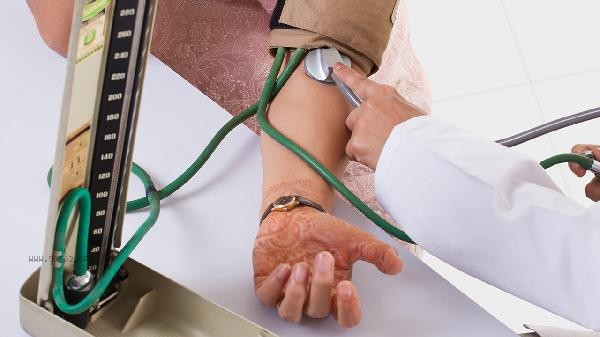
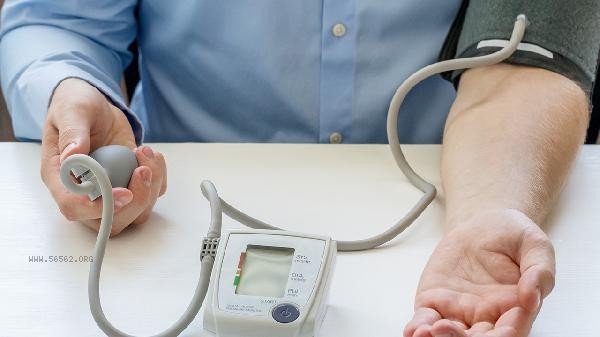
Hypotension patients may indeed experience fainting during blood draws due to further decrease in blood pressure, which is related to blood pressure regulation mechanisms and individual physical conditions. To avoid fainting, sufficient hydration should be maintained before blood draw, fasting should be avoided, and appropriate rest should be taken after blood draw. The main reasons for fainting during blood draw in patients with hypotension are related to the following factors. 1. Abnormal blood pressure regulation mechanism: Patients with hypotension have low blood pressure, and blood loss during the blood draw process may lead to further decrease in blood pressure, insufficient blood supply to the brain, and ultimately cause fainting. 2. Vagus nerve response: Some people are sensitive to pain or tension, and may stimulate the vagus nerve during blood draws, leading to a decrease in heart rate, blood pressure, and ultimately fainting. 3. Fasting or dehydration: When blood sugar is low on an empty stomach, dehydration may reduce blood volume, both of which may exacerbate symptoms of hypotension and increase the risk of fainting. To prevent patients with low blood pressure from fainting during blood draws, the following measures can be taken. 1. Preparation before blood draw: Drink plenty of water before blood draw, keep your body hydrated, avoid fasting, and eat some sugary foods such as cookies or fruits appropriately. 2. Emotional regulation: Before drawing blood, keep relaxed and avoid excessive tension. You can relieve emotions by taking deep breaths or communicating with medical staff. 3. Post blood transfusion care: After blood transfusion, one should slowly stand up, avoid sudden changes in position, rest appropriately, and observe their physical condition. If you feel dizzy or uncomfortable, you should immediately inform medical staff. Patients with hypotension also need to pay attention to blood pressure management in their daily lives. 1. Dietary regulation: Increase salt intake, drink electrolyte containing beverages in moderation, such as sports drinks, and avoid excessive alcohol consumption. 2. Exercise advice: Moderate aerobic exercise such as walking and swimming can enhance cardiovascular function, but avoid vigorous exercise. 3. Medication intervention: Under the guidance of a doctor, the use of vasopressors such as Midodrine or Fluhydrocortisone may be considered, but strict adherence to medical advice is required. Patients with hypotension are at risk of fainting during blood draws, but this risk can be effectively reduced through scientific prevention and care. In daily life, patients should pay attention to diet, exercise, and medication management to maintain stable blood pressure. If symptoms of low blood pressure are frequent or severe, seek medical attention promptly and seek professional treatment.









Comments (0)
Leave a Comment
No comments yet
Be the first to share your thoughts!