
During a cold check-up, C-reactive protein may increase. C-reactive protein is an acute phase response protein mainly synthesized by the liver. When the body is infected or tissue damaged, its level can rapidly increase within a few hours. As a common respiratory infectious diseases, cold may cause mild to moderate increase in C-reactive protein, but the specific increase is related to infection type, individual immune status and other factors.
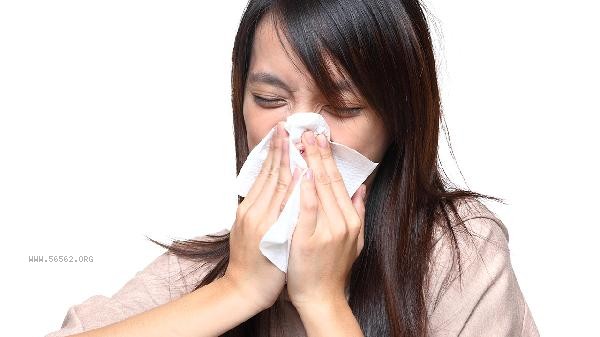
Viral colds typically cause mild elevation of C-reactive protein, with values ranging from 10-50 milligrams per liter. At this point, the increase is limited and may be related to the activation of the immune system stimulated by the virus. When a bacterial cold or secondary bacterial infection occurs, the increase in C-reactive protein is more significant, and the value may exceed 50 milligrams per liter, or even reach over 100 milligrams per liter. This significant increase often indicates the possibility of bacterial infection and requires comprehensive judgment in conjunction with other examinations. Some special populations may not experience a typical increase in C-reactive protein after catching a cold. Immunosuppressed patients may experience weakened acute phase reactions after infection due to weakened immune function. Long term use of glucocorticoids may also result in delayed C-reactive protein response. Newborns and infants with underdeveloped immune systems may have lower levels of C-reactive protein elevation during colds compared to adults. These special cases require comprehensive evaluation based on clinical manifestations and other laboratory indicators. After recovering from a cold, C-reactive protein levels usually gradually return to normal, which may take 3-5 days. If the symptoms of a cold improve but C-reactive protein continues to rise, be alert to the possibility of other infections or complications. When a physical examination reveals an increase in C-reactive protein, it is recommended to inquire in detail about recent infection history and, if necessary, undergo follow-up or other examinations to clarify the cause. In daily life, attention should be paid to preventing colds, maintaining sufficient sleep and balanced nutrition, which can help maintain normal immune function.









Comments (0)
Leave a Comment
No comments yet
Be the first to share your thoughts!