
Thin people with high blood pressure may be related to factors such as genetics, lifestyle, and psychological stress, and should be managed through adjusting diet, exercise, medication, and other methods. Elevated blood pressure is not only related to weight, but may also be influenced by other internal and external factors, requiring comprehensive evaluation and targeted measures.

1. Genetic factors: People with a history of hypertension in their family, even if they are thin in body shape, may have an elevated blood pressure due to genetic predisposition. Genes may affect vascular elasticity and heart function, leading to hypertension. It is recommended that people with a family history regularly monitor their blood pressure and consult a doctor to see if early intervention is needed.
2. Lifestyle: Bad habits such as high salt diet, lack of exercise, and long-term staying up late can all lead to elevated blood pressure. Thin people may neglect health management due to an unreasonable diet structure or excessive stress. It is recommended to reduce salt intake, eat more potassium rich foods such as bananas and spinach, and maintain a regular daily routine.
3. Psychological stress: Long term exposure to high pressure may activate the sympathetic nervous system, leading to vasoconstriction and elevated blood pressure. Thin people may neglect the maintenance of their mental health due to excessive work or life pressure. It is recommended to relieve stress through meditation, yoga, and other methods, and seek psychological counseling if necessary.

4. Pathological factors: Certain diseases such as hyperthyroidism, kidney disease, etc. may lead to elevated blood pressure. Thin people may overlook potential health issues due to their lighter weight. It is recommended to undergo a comprehensive physical examination to rule out the possibility of related diseases and receive treatment according to the doctor's advice.
5. Medication therapy: For diagnosed hypertensive patients, doctors may prescribe antihypertensive drugs such as amlodipine, valsartan, hydrochlorothiazide, etc. Follow the doctor's advice to take medication on time, regularly check blood pressure, and adjust medication plan.
6. Exercise advice: Moderate exercise can help lower blood pressure. It is recommended to choose aerobic exercise such as brisk walking, swimming, cycling, etc., and engage in at least 150 minutes of moderate intensity exercise per week. When exercising, pay attention to gradual progress and avoid overexertion.
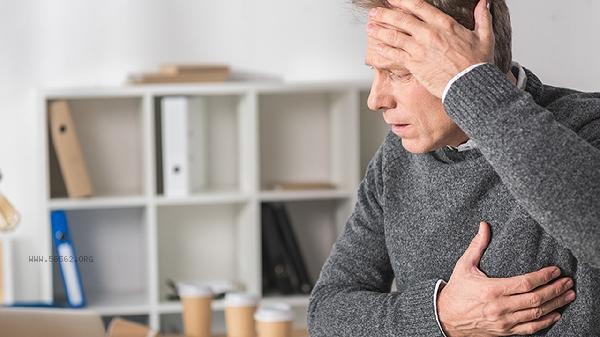
It is not uncommon for thin people to have high blood pressure, and it is necessary to find the causes from multiple aspects and take comprehensive measures for management. Regular monitoring of blood pressure, adjusting lifestyle, paying attention to mental health, and eliminating pathological factors are key to controlling blood pressure. If there is a sustained increase in blood pressure or other discomfort symptoms, seek medical attention promptly and receive professional diagnosis and treatment.








Comments (0)
Leave a Comment
No comments yet
Be the first to share your thoughts!