
Pregnant women apply for health cards to ensure the health of both mother and baby, and to facilitate systematic management and monitoring during pregnancy. Building a health card can timely record the health status of pregnant women, identify potential risks, and provide early intervention. The main function is to standardize the prenatal examination process, monitor fetal development, and reduce pregnancy risks.

1. Creating a card can standardize the production inspection process. After the pregnant woman is registered, the hospital will arrange corresponding examination items according to the gestational age, including blood routine, urine routine, ultrasound, Down syndrome screening, etc. These examinations help to comprehensively understand the physical condition of pregnant women and the development of the fetus. Through regular check ups, doctors can promptly identify problems and take corresponding measures. Establishing a medical card can also prevent pregnant women from missing or repeating examinations, and improve the efficiency of prenatal check ups.
2. Building a health card helps monitor fetal development. Through prenatal examination, doctors can observe the growth and development of the fetus, including fetal heart rate, fetal position, placental position, etc. B-ultrasound examination can evaluate the size, shape, and organ development of the fetus. Fetal heart rate monitoring can provide insight into the vital signs of the fetus. These examinations help to detect fetal abnormalities in a timely manner, such as developmental delays, deformities, etc., and take corresponding measures accordingly.
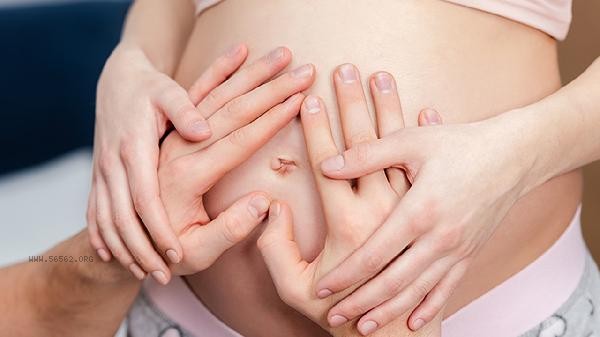
3. Establishing a health card can reduce the risk of pregnancy. After a pregnant woman is registered, the doctor will assess the pregnancy risk based on her physical condition and prenatal examination results. For high-risk pregnant women, doctors will strengthen monitoring and management, and develop personalized treatment plans. For example, for complications such as pregnancy induced hypertension and diabetes, doctors will provide diet, exercise and drug guidance to control the development of the disease. For fetal abnormalities, doctors will recommend further examination or treatment to reduce maternal and infant risks.
4. Card application can also provide health guidance and psychological support. Doctors will provide advice on nutrition, exercise, lifestyle, and other aspects based on the individual situation of pregnant women to help them maintain good physical condition. At the same time, doctors will also pay attention to the mental health of pregnant women, provide psychological support and stress relief methods, and promote their physical and mental health. Pregnant women should establish a health card in the early stages of pregnancy and choose a regular hospital for prenatal check ups. When creating a medical card, it is necessary to bring relevant documents such as ID card and medical insurance card, and fill in detailed personal information and medical history. After being registered, pregnant women should undergo regular prenatal check ups according to medical advice and truthfully disclose their physical condition and discomfort symptoms. If there are any abnormal situations, medical examination should be sought in a timely manner. Establishing a pregnant woman's health card is not only a legal requirement, but also an important measure to ensure the health of both mother and baby. By establishing a health card, pregnant women can receive systematic pregnancy management and professional guidance, timely detect and handle potential risks, and ensure the safety of both mother and baby. It is recommended that pregnant women pay attention to card registration, actively cooperate with prenatal check ups, and scientifically conceive healthy babies.









Comments (0)
Leave a Comment
No comments yet
Be the first to share your thoughts!