
Menstrual physical examination usually requires delaying gynecological examination, urine routine, fecal occult blood test and other items. Menstrual period may affect the accuracy of examination results. It is recommended to avoid the menstrual period or conduct relevant examinations 3-7 days after its end. Gynecological examinations include vaginal discharge tests, cervical smears, etc. Menstrual blood may interfere with sample testing. Red blood cells, white blood cells and other indicators in urine routine are easily contaminated by menstrual blood, leading to false positive results. Fecal occult blood test may result in false positives due to the mixing of menstrual blood, which can affect the diagnosis of gastrointestinal bleeding. The coagulation function, hemoglobin and other indicators in blood tests may experience physiological fluctuations during menstruation. Breast ultrasound and other non menstrual contraindications can be performed normally, but the doctor needs to be informed in advance of the menstrual status.
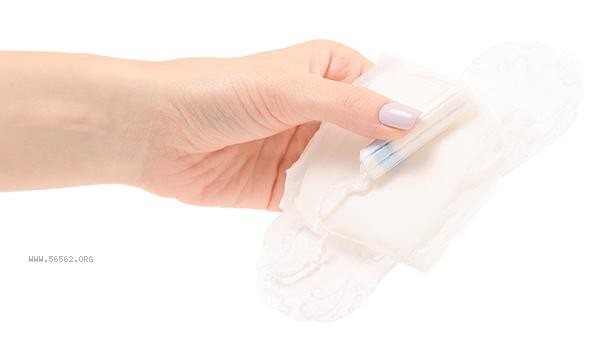
It is recommended to record the last menstrual period time before the physical examination and proactively inform medical staff. If menstrual physical examination is necessary, you can choose to avoid the period with heavy bleeding in the first 3 days and take good cleaning and protection measures. Reviewing abnormal items after menstruation can reduce interference. Pay attention to menstrual hygiene in daily life, avoid vigorous exercise and baths, and maintain sufficient rest. Maintain a light diet for 3 days before the physical examination, avoid drinking alcohol and spicy and stimulating foods.








Comments (0)
Leave a Comment
No comments yet
Be the first to share your thoughts!