
The best wild vegetables for lowering blood pressure are shepherd's purse, purslane, and celery leaves. These wild vegetables are rich in potassium, magnesium, and dietary fiber, which can help regulate blood pressure and are suitable for daily consumption by hypertensive patients.
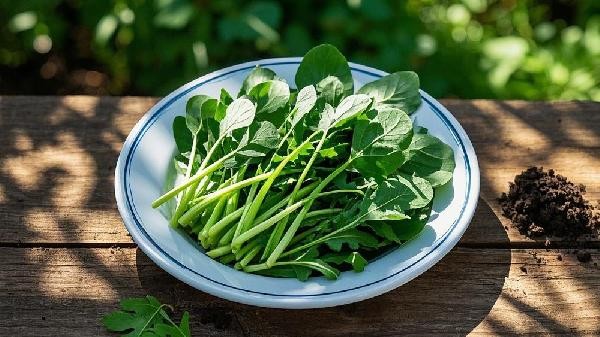
1. Shepherd's purse is rich in potassium, which can help eliminate excess sodium from the body and lower blood pressure. Shepherd's purse also contains choline and acetylcholine, which help dilate blood vessels and improve blood circulation. It is recommended to wash the shepherd's purse and mix it cold or boil it in soup to preserve its nutritional content. 2. Purslane is a common wild vegetable that is rich in omega-3 fatty acids and magnesium. Omega-3 fatty acids help reduce cholesterol in the blood and lower the risk of arteriosclerosis; Magnesium can relax vascular smooth muscle and reduce vascular resistance. Purslane can be stir fried or added to Congee, suitable for long-term consumption of hypertension patients.
3. Celery leaves contain apigenin and potassium elements. Apigenin has antioxidant and anti-inflammatory effects, which can protect vascular endothelial cells, while potassium helps balance electrolytes in the body. Celery leaves can be chopped and added to soup or cold mixed, which is both delicious and healthy. Hypertensive patients should pay attention to cooking methods and avoid excessive intake of salt and oil when consuming these wild vegetables. It is recommended to use steaming, cold mixing, or boiling soup to preserve the nutritional content of wild vegetables. At the same time, the intake of high salt and high-fat foods should be reduced in daily diet, and a balanced diet should be maintained. Shepherd's purse, purslane, and celery leaves are wild vegetables with significant blood pressure lowering effects, suitable for daily consumption by hypertensive patients. Through reasonable dietary combinations and cooking methods, it can effectively assist in controlling blood pressure and improving cardiovascular health.








Comments (0)
Leave a Comment
No comments yet
Be the first to share your thoughts!