
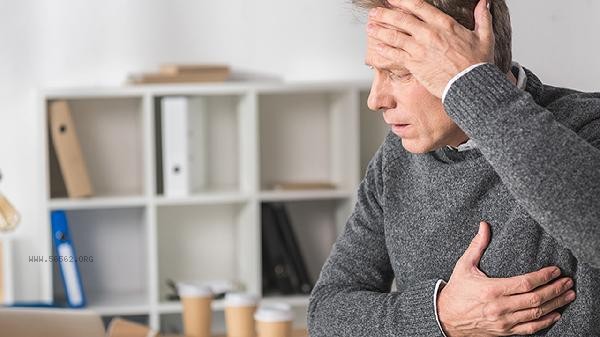
Young people with blood pressure as high as 160mmHg need to be taken seriously, which may be caused by genetics, unhealthy lifestyle habits, excessive stress, and other factors. It is recommended to seek medical attention and adjust lifestyle in a timely manner. Elevated blood pressure can be improved through medication, dietary control, exercise management, and other methods.

1. Genetic factors: Hypertension has a familial tendency. If there is a history of hypertension in the family, young people should regularly monitor their blood pressure to detect abnormalities early. It is recommended to undergo a physical examination at least once a year to monitor changes in blood pressure.
2. Bad lifestyle habits: Long term high salt diet, lack of exercise, staying up late, smoking, drinking and other bad habits may lead to elevated blood pressure. Reduce salt intake and keep daily salt intake below 5 grams; Increase the intake of vegetables, fruits, and whole grains; Avoid staying up late and ensure 7-8 hours of sleep every day; Quit smoking and limit alcohol consumption to reduce damage to blood vessels.
3. Excessive stress: With the fast pace of modern life, young people face multiple pressures such as work and study, and prolonged tension may lead to elevated blood pressure. Learn to relax and relieve stress through meditation, yoga, deep breathing, and other methods; Maintain a positive attitude and avoid excessive emotional fluctuations.
4. Medication therapy: If blood pressure cannot be controlled after lifestyle adjustments, doctors may prescribe antihypertensive drugs. Common antihypertensive drugs include calcium channel blockers such as amlodipine, angiotensin-converting enzyme inhibitors such as enalapril, diuretics such as hydrochlorothiazide, etc. Please take according to medical advice and regularly check your blood pressure.
5. Exercise management: Moderate exercise can help lower blood pressure. It is recommended to engage in at least 150 minutes of moderate intensity aerobic exercise per week, such as brisk walking, swimming, cycling, etc. Avoid vigorous exercise and monitor blood pressure before and after exercise.
6. Regular monitoring: Hypertensive patients should regularly monitor their blood pressure. It is recommended to measure it once a day in the morning and once in the evening, and record the data for doctors to evaluate the treatment effect. Bring your own blood pressure monitor at home and master the correct measurement method. Young people with blood pressure as high as 160mmHg need timely intervention. By adjusting lifestyle, medication treatment, and regular monitoring, blood pressure can be effectively controlled and the risk of cardiovascular disease can be reduced. Long term adherence to healthy lifestyle habits is the key to preventing and controlling hypertension.









Comments (0)
Leave a Comment
No comments yet
Be the first to share your thoughts!