
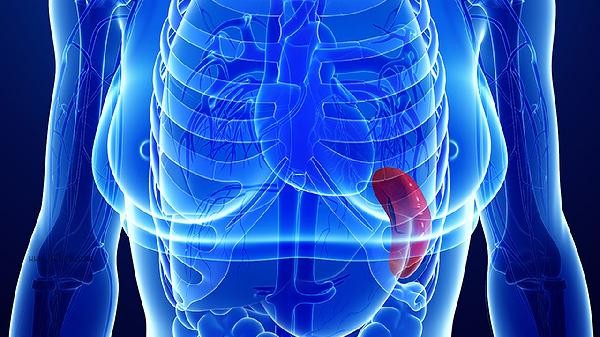
Splenomegaly combined with anemia usually requires blood routine, bone marrow puncture, abdominal ultrasound, liver function examination, iron metabolism examination, etc. Splenomegaly combined with anemia may be related to factors such as infection, hematological diseases, liver diseases, etc. It is recommended to seek medical attention in a timely manner and complete relevant examinations under the guidance of a doctor.
1. Blood routine
Blood routine is an important test for preliminary screening of anemia and infection, which determines the degree and type of anemia through indicators such as red blood cell count, hemoglobin concentration, and white blood cell count. Patients with splenomegaly and anemia may experience decreased red blood cells, decreased platelets, or abnormal white blood cells. Splenomegaly caused by infection is often accompanied by an increase in neutrophils, while hematological diseases may manifest as a decrease in whole blood cells. It is not necessary to fasting before the examination, but it is necessary to avoid immediate blood collection after intense exercise.
2. Bone marrow puncture
Bone marrow puncture can clarify the cause of anemia, especially has diagnostic value for hematological diseases such as leukemia and myelodysplastic syndrome. If a patient with splenomegaly and anemia has abnormal blood routine, hematopoietic function should be evaluated through bone marrow cell morphology, immune typing, and other methods. Bone marrow fibrosis or tumor infiltration may lead to compensatory enlargement of the spleen. Local anesthesia is required for examination, and postoperative compression is necessary to stop bleeding and avoid infection.
3. Abdominal ultrasound
Abdominal ultrasound can non invasively evaluate the size, structure, and adjacent organ status of the spleen. Patients with splenomegaly and anemia need to measure the length and thickness of the spleen, and observe for portal hypertension, liver lesions, or abdominal lymph node enlargement. Spleen hyperfunction caused by cirrhosis, schistosomiasis, etc. is often accompanied by splenic vein widening. Fasting for 8 hours is required before the examination to improve image clarity.
4. Liver function examination
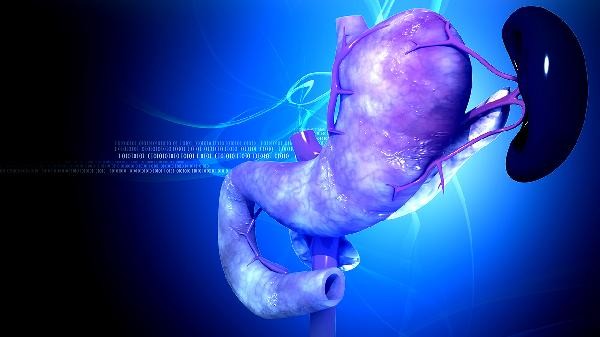
Liver function examination includes indicators such as transaminase, bilirubin, albumin, etc., which can distinguish hepatogenic splenomegaly. If patients with splenomegaly and anemia have cirrhosis or hepatitis, they may experience decreased albumin and abnormal coagulation function. When portal hypertension leads to splenic congestion and enlargement, it is often accompanied by thrombocytopenia. The examination requires fasting blood collection to avoid high-fat diet affecting the results.
5. Iron metabolism examination
Iron metabolism examination includes serum iron, ferritin, transferrin saturation, etc., used to diagnose iron deficiency anemia or chronic disease anemia. If patients with splenomegaly and anemia have gastrointestinal bleeding or chronic inflammation, characteristic changes in iron metabolism indicators may occur. Hereditary hemoglobinopathies such as thalassemia can also lead to splenomegaly and anemia. Iron agent should be stopped for 3 days before inspection to avoid interference. Patients with splenomegaly and anemia should avoid vigorous exercise in daily life to prevent spleen rupture, and their diet should choose easily digestible, high-quality protein and iron rich foods such as lean meat, animal liver, and dark vegetables. Pay attention to observing for bleeding tendencies such as gum bleeding and skin bruising, and regularly monitor blood routine and spleen size. If fever, abdominal pain, or worsening anemia occur, seek medical attention immediately. All examination results must be comprehensively evaluated by a specialist and cannot be interpreted or used on their own.








Comments (0)
Leave a Comment
No comments yet
Be the first to share your thoughts!