
During the allergy attack period, special attention should be paid to avoiding contact with known allergens and informing the doctor of the allergy history and current symptoms in advance. The precautions for a physical examination during an allergic episode mainly include avoiding contact with allergens, informing the doctor of the allergy history in advance, carefully selecting the examination items, carrying emergency medication, and avoiding strenuous exercise.
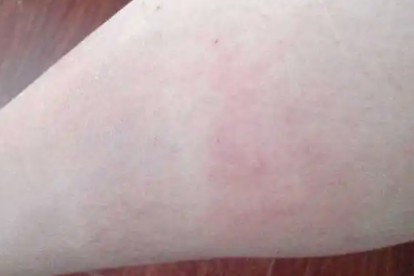
1. Avoid contact with allergens
During allergy attacks, it is advisable to avoid contact with known allergens such as pollen, dust mites, animal dander, etc. during physical examinations. There may be potential allergens such as disinfectants and latex gloves in the examination site. It is recommended to communicate with the examination center in advance to confirm the safety of the environment. If you are allergic to certain foods, you need to fast 8-12 hours before the physical examination to avoid triggering allergic reactions that may affect the test results.
2. Notify the doctor in advance of the allergy history
During the physical examination registration, the medical staff should be provided with a detailed explanation of the allergy history, including drug allergies, food allergies, and other situations. Special attention should be given to the symptoms of the current allergic attack, such as rash, respiratory discomfort, etc. Doctors will adjust the physical examination plan based on the allergy situation, avoiding the use of medical supplies such as contrast agents and disinfectants that may trigger allergies.
3. Carefully choose physical examination items
During allergic attacks, skin prick tests, allergen testing, and other examination items that may worsen allergies should be temporarily postponed. During the acute phase of respiratory allergies, lung function tests should be carefully selected to avoid inducing bronchospasm. If it is necessary to perform contrast-enhanced CT or other examinations that require the use of contrast agents, a low-dose allergy test should be conducted in advance.
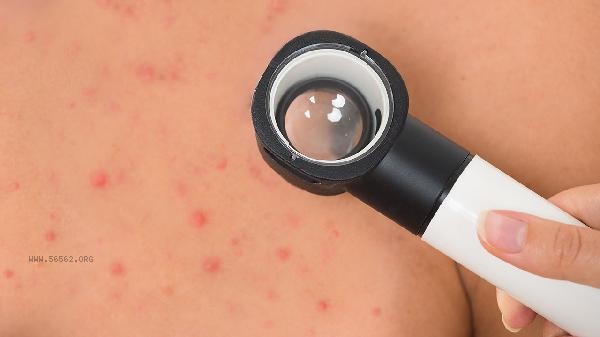
4. Carrying Emergency Medications
Allergic individuals should carry antihistamines such as loratadine tablets, cetirizine tablets, and adrenaline injection pens during physical examinations. When allergic symptoms such as skin itching and chest tightness occur, anti allergic drugs can be taken immediately to alleviate the symptoms. Severe allergic reactions require immediate use of adrenaline pens and medical attention.
5. Avoid strenuous exercise
During the allergy attack period, vigorous exercise should be avoided before and after the physical examination to prevent worsening of respiratory or skin allergy symptoms. Exercise may accelerate the spread of allergens in the body, triggering more severe allergic reactions. After the physical examination, it is recommended to rest and observe for 1-2 hours. After confirming that there are no allergic reactions, leave the medical institution. After undergoing a physical examination during the allergy attack period, it is recommended to maintain a light diet and avoid consuming allergenic foods such as seafood and nuts. Pay attention to observing physical reactions, and seek medical attention promptly if symptoms such as new rash and difficulty breathing appear. Daily allergy diary should be kept to identify the causes of allergies and regularly review allergy indicators. It is recommended to conduct non emergency physical examinations after the allergy symptoms have stabilized. If necessary, preventive use of anti allergic drugs under the guidance of a doctor can be used before the physical examination.








Comments (0)
Leave a Comment
No comments yet
Be the first to share your thoughts!