
Slow height growth can be intervened by adjusting diet, ensuring sleep, exercising appropriately, supplementing nutrients, and seeking medical examination during a child's physical examination. Slow height growth may be related to genetic factors, malnutrition, endocrine disorders, chronic diseases, psychological stress, and other factors.

1. Adjust diet
Ensure sufficient daily intake of high-quality protein such as eggs, fish, and milk, paired with calcium rich foods such as tofu and sesame paste. Avoid high sugar and high-fat snacks that affect the appetite for meals, and increase the intake of foods with high vitamin D content such as salmon and egg yolks to help absorb calcium. Arrange 2-3 animal liver supplements of iron and zinc per week.
2. Ensure Sleep
It is recommended that preschool children maintain 10-13 hours of sleep per day and school aged children maintain 9-11 hours of sleep. Growth hormone is secreted most vigorously during deep sleep. Parents should establish a fixed sleep schedule, avoid electronic screen stimulation one hour before bedtime, and engage in parent-child reading to aid sleep.
3. Moderate Exercise
Engage in 30-60 minutes of vertical jumping exercises such as skipping rope and basketball daily, combined with stretching exercises such as swimming and gymnastics. The appropriate intensity of exercise is slight sweating to avoid excessive fatigue. Parents can accompany them to participate in sports games and exercise regularly 3-5 times a week.
4. Supplementing Nutrients
Under the guidance of a doctor, vitamin D drops such as Star Shark Vitamin D Drops and calcium supplements such as Calcium Carbonate D3 Granules can be supplemented. Children with zinc deficiency can take zinc gluconate oral solution, while anemic children need to take protein iron succinate oral solution. All supplements must be used according to the doctor's advice and course of treatment.
5. Medical examination
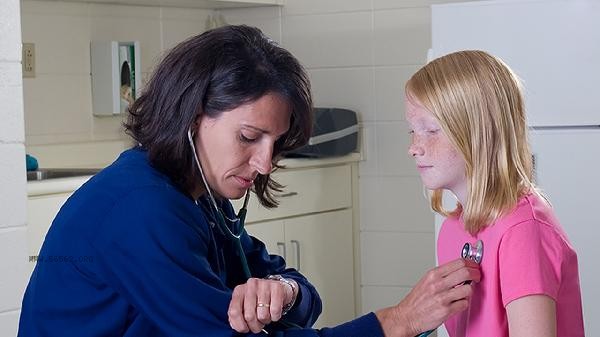
If there is continuous growth retardation, it is necessary to investigate endocrine diseases such as growth hormone deficiency and hypothyroidism, and improve bone age screening and hormone level testing. Children with chronic diarrhea or kidney disease need to be treated for the primary disease. For hereditary dwarfism, recombinant human growth hormone injection may be considered for treatment. All medical interventions require evaluation by a specialist doctor. Parents should measure and record their children's height and weight every 3 months, and draw a growth curve chart. Maintain a pleasant dining environment, avoid forced eating, reduce academic pressure, and ensure outdoor activity time. If the annual growth rate is less than 5 centimeters or consistently below the 3rd percentile of peers, it is recommended to seek medical attention from a pediatric endocrinology department as soon as possible. Eat more nutritious foods such as cheese and nuts in daily life, and avoid consuming sugary drinks that can affect appetite.









Comments (0)
Leave a Comment
No comments yet
Be the first to share your thoughts!