
Physical examination can detect pulmonary nodules, which can be treated through regular follow-up examinations, anti-inflammatory treatment, puncture biopsy, surgical resection, traditional Chinese medicine conditioning, and other methods. Pulmonary nodules are usually caused by infectious factors, non infectious inflammation, tumor factors, occupational exposure, genetic factors, and other reasons.
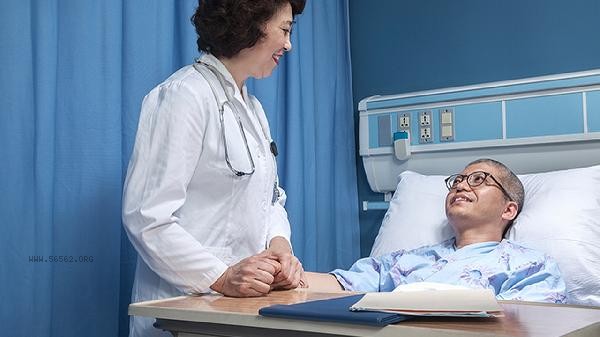
1. Regular follow-up review
It is usually recommended to have a chest CT scan every 3-6 months for newly discovered lung nodules. Solid nodules smaller than 5 millimeters or ground glass nodules smaller than 8 millimeters can extend the follow-up interval. During the follow-up process, if there is no change in the nodules, further observation is necessary. If there is an increase or density change, further examination is needed. Low dose spiral CT should be selected for examination to reduce radiation damage. During the follow-up period, it is necessary to quit smoking and avoid a second-hand smoke environment.
2. Anti inflammatory treatment
When considering inflammatory nodules, experimental anti-inflammatory treatment can be conducted for 2 weeks. Common medications include antibiotics such as levofloxacin tablets, amoxicillin and clavulanate potassium tablets, and glucocorticoids such as prednisone tablets. Follow up CT scan after treatment to evaluate changes in nodules. During treatment, adverse drug reactions such as gastrointestinal reactions and liver dysfunction need to be monitored. People with allergies need to inform their doctor of their medication history in advance.
3. Puncture biopsy
is feasible under CT guidance for nodules highly suspected of malignancy or progressing during follow-up. Common methods include fine needle aspiration biopsy and hollow needle aspiration biopsy. Before operation, the risk of bleeding should be evaluated, and the platelet count should be greater than 80 × 10 ^ 9/L. postoperative complications such as pneumothorax and hemoptysis may occur, and close observation for 24 hours is necessary. Pathological results can clarify the nature of nodules and guide subsequent treatment.

4. Surgical resection
For nodules with a high possibility of malignancy, thoracoscopic wedge resection or segmentectomy can be chosen. Surgical trauma is minimal and recovery is fast, with a hospital stay of 3-5 days. If malignancy is diagnosed through rapid pathological examination during surgery, the scope of resection needs to be expanded. Patients with advanced age or poor lung function need to undergo a comprehensive preoperative assessment of surgical risks. Postoperative respiratory function exercise is necessary to promote recovery.
5. Traditional Chinese Medicine Regulation
Traditional Chinese Medicine believes that lung nodules are related to qi stagnation and blood stasis, and can try promoting blood circulation and removing blood stasis traditional Chinese medicines such as Danshen tablets and Xuefu Zhuyu capsules. In conjunction with dietary adjustments, consume more lung nourishing ingredients such as Tremella fuciformis and lilies. Regular follow-up monitoring of nodule changes is required during treatment. Traditional Chinese medicine treatment should be carried out under the guidance of professional Chinese medicine practitioners, and self medication should be avoided. After discovering pulmonary nodules, it is important to maintain a positive mindset and avoid excessive anxiety. Adding fresh fruits and vegetables rich in vitamin C, such as kiwifruit and broccoli, to the diet can help reduce oxidative stress. Maintain a regular schedule to ensure adequate sleep, and exercise for at least 30 minutes every day, such as walking or practicing Tai Chi. Keep away from dust and harmful gas environments, and occupational exposure personnel should take protective measures. When symptoms such as worsening cough and hemoptysis occur, timely medical attention should be sought.









Comments (0)
Leave a Comment
No comments yet
Be the first to share your thoughts!