
Kidney stones found during physical examination can be treated by adjusting diet, increasing water intake, medication, extracorporeal shock wave lithotripsy, percutaneous nephrolithotomy, and other methods. Kidney stones are usually caused by metabolic abnormalities, urinary tract obstruction, infection, drug factors, genetics, and other reasons.
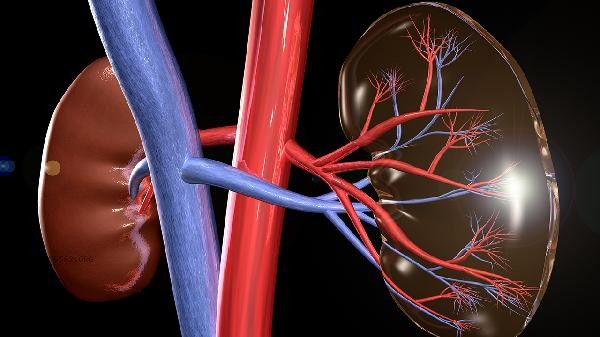
1. Adjust diet
Reduce the intake of high oxalate foods such as spinach and chocolate, and limit excessive intake of sodium salts and animal protein. Maintain a daily calcium intake of 800-1200 milligrams, which can be supplemented with low-fat dairy products. Patients with uric acid stones need to limit purine foods, such as animal organs, seafood, etc. Maintaining a balanced diet over the long term can help reduce the probability of stone recurrence.
2. Increase water intake
The daily water intake should reach 2000-3000 milliliters, and it is advisable to keep the urine color light yellow. You can alternate between drinking purified water and lemon water, as citrate can inhibit crystal formation. Avoid drinking large amounts of water at once, it is recommended to drink around 200 milliliters per hour. After urination at night, it is necessary to replenish water to prevent excessive concentration of urine.
3. Drug therapy
Potassium sodium citrate granules can alkalize urine and dissolve uric acid stones, while sustained-release capsules of tamsulosin hydrochloride can relax the ureter and promote stone expulsion. When co infected, antibiotics such as cefixime dispersible tablets should be used. Diclofenac sodium suppositories can be used to relieve renal colic, but the medication must be standardized under the guidance of a doctor and the dosage cannot be adjusted by oneself.
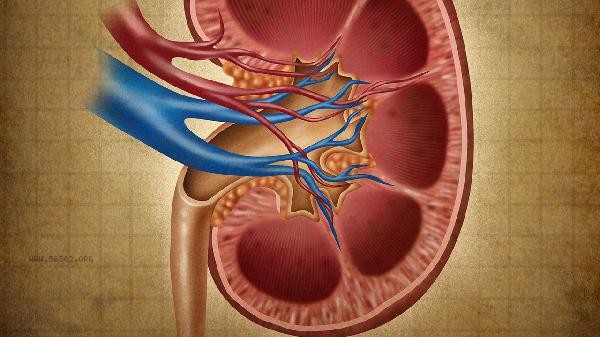
4. Extracorporeal shock wave lithotripsy
is suitable for renal pelvis or upper ureteral stones with a diameter of 5-20 millimeters. After X-ray localization, the stone is crushed into particles smaller than 4 millimeters using shock waves. Postoperative reactions such as hematuria and lower back pain may occur, and medication for stone removal treatment is necessary. This surgical procedure has minimal trauma but may have residual stones, requiring regular follow-up.
5. Percutaneous nephrolithotomy
is used for cases of staghorn stones larger than 20 millimeters or failed extracorporeal lithotripsy. Establish a percutaneous channel under ultrasound guidance and remove it using laser or pneumatic ballistic lithotripsy. After surgery, a nephrostomy tube should be left in place and hospitalized for 3-5 days of observation. This method has a high stone clearance rate, but there are surgical risks such as bleeding and infection. Patients with kidney stones should develop the habit of recording urination diaries and monitoring daily urine volume and changes in urine characteristics. Moderate jumping exercises such as skipping rope can help eliminate small stones, but it is necessary to avoid intense exercise that can cause colic. Recheck urinary ultrasound every 3-6 months to observe the dynamics of stones. When symptoms such as persistent lower back pain, hematuria, and fever occur, seek medical attention immediately and be alert to urinary tract obstruction or worsening infection. Maintaining a regular schedule and emotional stability can help prevent the recurrence of kidney stones.








Comments (0)
Leave a Comment
No comments yet
Be the first to share your thoughts!