
After receiving the HPV vaccine, HPV positivity should be determined based on specific subtypes, which may be related to subtype infections not covered by the vaccine, pre vaccination infections, or insufficient immune response. It is recommended to determine the degree of the lesion through vaginal colposcopy and cervical cytology testing, and follow medical advice to choose physical therapy, medication intervention, or regular follow-up.
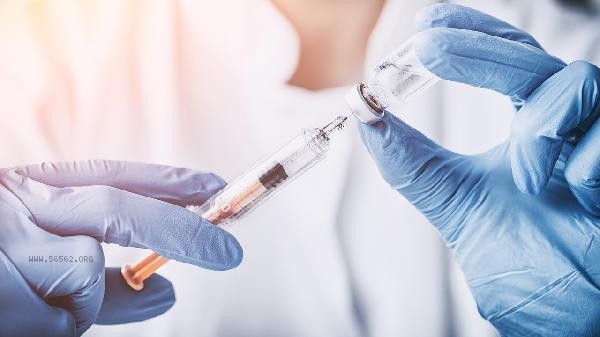
1. To confirm the subtype of infection [SEP], HPV typing testing is required to determine the specific type of infection. The HPV vaccine only prevents specific high-risk types, such as bivalent vaccines targeting 16/18 types, quadrivalent vaccines increasing 6/11 types, and nonavalent vaccines covering 7 high-risk types. If the positive result is a non vaccine covered type, there is still a risk of disease. At this time, TCT examination should be combined to evaluate changes in cervical cells, and if necessary, vaginal colposcopy biopsy should be performed.
2. Evaluation of Previous Infections
Failure to undergo HPV screening before vaccination may result in the vaccine being unable to clear existing infections. The data shows that about 10% of vaccinated individuals may have latent infections of the types contained in the vaccine. This type of situation requires monitoring of changes in viral load. Those who have been continuously infected for more than 24 months have a higher probability of developing cervical intraepithelial neoplasia. It is recommended to undergo HPV-DNA and TCT combined testing every 6 months.
3. Enhance immune clearance
Immune regulatory measures can be taken for transient infections. Recombinant human interferon alpha-2b vaginal effervescent tablets are commonly used in clinical practice for local antiviral effects, combined with thymosin enteric coated tablets to systematically regulate immune function. Maintaining a regular daily routine, supplementing with selenium and vitamin E can help enhance the body's ability to clear viruses, and most immunocompromised individuals can naturally turn negative within 6-12 months.
4. Physical therapy can be used to treat persistent infections

with persistent high-risk positive cases and low-grade lesions. Carbon dioxide laser vaporization is suitable for localized lesions, and cryotherapy has a significant effect on cervical surface infections. High degree lesions require cervical conization, postoperative use of Baofukang suppository to prevent infection, and regular follow-up until HPV becomes negative.
5. Exclude detection errors
Improper sampling or laboratory errors may lead to false positives. Suggest retesting every 3 months and cross validation using HC2 or PCR methods. It is not advisable to test during menstruation or within 48 hours after vaginal medication. Sampling should avoid areas outside the cervical columnar epithelial transition zone. Maintaining a single sexual partner and using condoms can reduce the risk of repeated infections. Increasing daily intake of sulfur-containing vegetables such as broccoli and purple cabbage can help inhibit HPV virus replication through their metabolites. Avoid smoking and long-term oral contraceptives, as these factors can prolong the clearance time of the virus. Regular cervical cancer screening is still necessary after vaccination, and vaccine protection cannot replace routine cancer screening.









Comments (0)
Leave a Comment
No comments yet
Be the first to share your thoughts!