
Physical examination reveals that gallstones can be treated through dietary adjustments, medication therapy, traditional Chinese medicine conditioning, extracorporeal lithotripsy, cholecystectomy, and other methods. Gallstones are usually caused by abnormal bile composition, weakened gallbladder contraction function, bacterial infection, metabolic abnormalities, genetic factors, and other reasons.
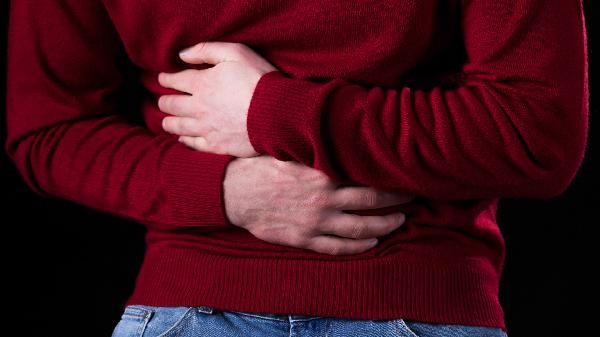
1. Adjusting diet
Reducing the intake of high-fat and high cholesterol foods can help lower cholesterol saturation in bile. The daily diet should be light and easy to digest, and dietary fiber intake can be increased in moderation, such as oats, broccoli, etc. Avoid overeating and long-term fasting, and maintain regular three meal habits. It is recommended to choose steaming and stewing as the cooking method, and limit fried foods. Daily water intake should be sufficient to help dilute bile.
2. Drug therapy
Ursodeoxycholic acid capsules can promote the dissolution of cholesterol stones and are suitable for patients with cholesterol stones. Anti inflammatory and choleretic tablets have anti-inflammatory and choleretic effects, which can alleviate gallbladder inflammation. Cefoxime dispersible tablets can be used in cases of combined bacterial infections. Drug therapy should be carried out under the guidance of a doctor, and regular ultrasound examinations should be conducted to observe changes in stones. The medication treatment cycle is relatively long, and it is necessary to adhere to standardized medication.
3. Traditional Chinese Medicine (TCM) regulation
TCM believes that gallstones are related to liver and gallbladder dampness heat, and traditional Chinese medicine can be used to regulate the liver and gallbladder. Common prescriptions include Dachaihu Tang, Yinchenhao Tang, etc., which have the effect of promoting bile secretion. Acupuncture and moxibustion can improve gallbladder contraction function by selecting Danshu, Yanglingquan and other acupoints for treatment. Traditional Chinese medicine requires differentiation and treatment. It is recommended to seek medical attention at a reputable traditional Chinese medicine hospital. During the conditioning period, it is necessary to cooperate with dietary control and avoid spicy and stimulating foods.
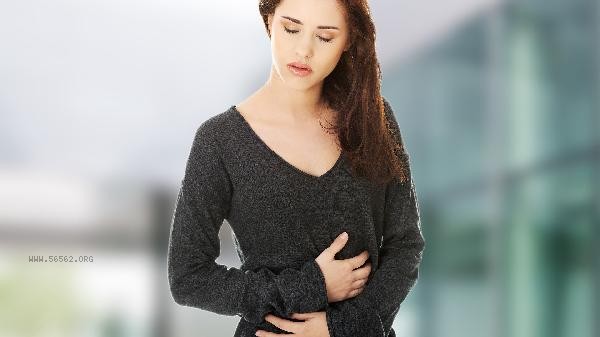
4. Extracorporeal lithotripsy
Extracorporeal shock wave lithotripsy is suitable for single and small diameter cholesterol stones. This treatment focuses on breaking stones through shock waves generated outside the body, and the fragments are excreted with bile. Before treatment, it is necessary to complete the examination and evaluation of the nature of the stones and gallbladder function. After surgery, medication should be used to promote the expulsion of crushed stones, and regular follow-up examinations should be conducted. This method has minimal trauma and fast recovery, but the recurrence rate of stones is relatively high. Laparoscopic cholecystectomy is the standard method for treating symptomatic gallstones. Suitable for patients with recurrent biliary colic, combined with acute cholecystitis or large stones. The surgery is completed through several small incisions, with minimal trauma and quick recovery. Postoperative discomfort such as indigestion may occur, and most patients can gradually adapt. After the absence of gallbladder, it is still necessary to pay attention to dietary control and avoid high-fat diet.
After discovering gallstones, regular ultrasound examinations should be conducted to observe changes, and medical attention should be sought promptly if symptoms occur. Maintaining a regular schedule and moderate exercise can help improve bile excretion. Control weight within the normal range and avoid rapid weight loss. Quit smoking and limit alcohol consumption to reduce irritation to the liver and gallbladder system. If symptoms such as persistent abdominal pain, fever, and jaundice occur, seek medical attention immediately and be alert to complications such as bile duct obstruction. Dietary regulation requires long-term adherence and the establishment of healthy eating habits.








Comments (0)
Leave a Comment
No comments yet
Be the first to share your thoughts!