
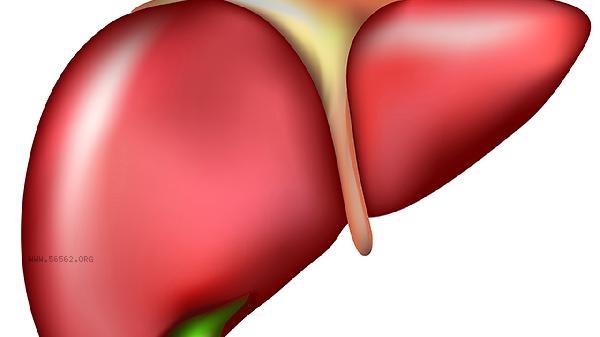
Fatty liver can be improved by adjusting diet, increasing exercise, controlling weight, limiting alcohol consumption, and regular check ups. Fatty liver is usually caused by obesity, long-term drinking, malnutrition, metabolic syndrome, diabetes and other factors. Adjusting diet is one of the important measures to improve fatty liver. Reducing the intake of high-fat and high sugar foods and increasing the proportion of vegetables, fruits, and whole grains can help alleviate the burden on the liver. Avoid consuming fried foods, desserts, and sugary drinks, choose low-fat dairy products and lean meat, and provide high-quality protein. Moderate intake of fish rich in omega-3 fatty acids, such as salmon and cod, can help reduce liver inflammation. Increase the intake of dietary fiber, such as oats, brown rice, and beans, to help regulate blood lipids and blood sugar.
Increasing exercise has a significant effect on reducing fatty liver. Engage in at least 150 minutes of moderate intensity aerobic exercise per week, such as brisk walking, swimming, or cycling, to promote fat metabolism. Combining strength training to enhance muscle mass and improve basal metabolic rate. Exercise not only helps reduce liver fat accumulation, but also improves insulin sensitivity. Avoid a sedentary lifestyle and get up and move for a few minutes every hour. Consistent exercise habits are crucial for reversing fatty liver disease.
Weight control is a key step in treating fatty liver. Gradual weight loss, preferably 2-4 kilograms per month, to avoid liver damage caused by rapid weight loss. Monitor body mass index and maintain a healthy range of 18.5-23.9. By combining diet and exercise, gradually reduce body fat percentage, especially abdominal fat. Individuals who are significantly overweight may consider developing a personalized weight loss plan under the guidance of a doctor. Maintaining a healthy weight can help improve liver function indicators and metabolic parameters. Restricting alcohol consumption is particularly important for alcoholic fatty liver disease. Complete abstinence from alcohol is the primary measure for treating alcoholic fatty liver disease, as even small amounts of alcohol consumption can worsen liver damage. For patients with non-alcoholic fatty liver disease, alcohol intake should also be strictly limited, with no more than 25 grams per day for men and no more than 15 grams per day for women. Avoid drinking alcohol on an empty stomach and long-term alcoholism, and reduce the metabolic burden on the liver. After quitting alcohol, liver fat deposition can gradually improve and liver function gradually returns to normal. Regular follow-up to monitor the progression of fatty liver is crucial. Perform liver function tests and liver ultrasound examinations every 6-12 months to assess changes in the condition. Monitor metabolic indicators such as blood glucose, blood lipids, and blood pressure to promptly detect metabolic abnormalities. If there is a need for liver hardness testing, non-invasive examinations such as FibroScan can be performed. Regularly follow up with doctors and adjust treatment plans according to the condition. Patients with severe fatty liver may require more frequent monitoring and further liver evaluation. Patients with fatty liver should pay attention to maintaining a regular schedule, avoiding staying up late and overexertion. Proper supplementation of antioxidants such as vitamin E may help improve liver inflammation, but it should be used under the guidance of a doctor. Maintain a good psychological state and reduce the impact of stress on metabolism. Avoid using drugs and health supplements that may damage the liver. If symptoms such as fatigue, decreased appetite, and discomfort in the upper right abdomen occur, seek medical attention promptly.








Comments (0)
Leave a Comment
No comments yet
Be the first to share your thoughts!