
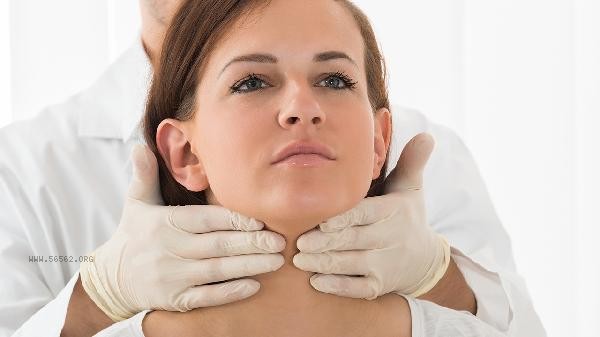
Thyroid nodules found during preconception physical examination can be treated through regular follow-up, dietary adjustments, medication therapy, biopsy, surgical resection, and other methods. Thyroid nodules may be related to factors such as abnormal iodine intake, thyroid inflammation, thyroid adenoma, thyroid cyst, thyroid cancer, etc.

1. Regular follow-up
Most thyroid nodules are benign and have a small volume. When there are no obvious symptoms, it is recommended to have a thyroid ultrasound review every 6-12 months. During the preparation for pregnancy, it is necessary to monitor the size of nodules and changes in blood flow signals. If the nodule diameter is less than 10 millimeters and there are no malignant signs, special intervention is usually not necessary. During the follow-up examination, thyroid stimulating hormone levels should be checked simultaneously to rule out thyroid dysfunction.
2. Adjusting diet
Increasing iodine rich foods such as kelp and seaweed appropriately can help maintain thyroid function, but long-term excessive intake should be avoided. Patients with hyperthyroidism should limit iodine intake, and can choose cruciferous vegetables such as broccoli and cabbage. Ensure daily intake of high-quality protein such as eggs and fish, and avoid spicy and stimulating foods that can affect endocrine stability.
3. Drug therapy
If the nodule is accompanied by hyperthyroidism, methimazole tablets can be used to inhibit hormone secretion according to medical advice. Nodules caused by thyroiditis can be regulated with levothyroxine sodium tablets to regulate hormone levels. When merging Hashimoto's thyroiditis, selenium yeast tablets may be needed to assist in improving immune status, and all medication should be used under the guidance of a doctor.
4. Puncture biopsy
When ultrasound shows irregular nodule morphology, microcalcifications, or an aspect ratio greater than 1, fine needle aspiration is required to clarify the nature. Completing a biopsy before pregnancy can eliminate the risk of malignancy. Local anesthesia is used for the procedure, and postoperative compression hemostasis takes 20 minutes. If the pathological result is benign, pregnancy can continue to be prepared. Malignant cases should be treated first before considering pregnancy.
5. Surgical resection [SEP]: If the diameter of the nodule exceeds 40 millimeters and compresses the trachea, or if diagnosed with papillary thyroid carcinoma, total thyroidectomy is required. Long term replacement therapy with levothyroxine sodium tablets is required after surgery to maintain appropriate levels of thyroid stimulating hormone before preparing for pregnancy. Endoscopic surgery has a small scar, but it is necessary to ensure stable thyroid function for at least 6 months before pregnancy. During the preparation for pregnancy, if thyroid nodules are found, one should avoid anxiety and maintain a regular schedule and moderate exercise such as yoga and walking. Daily intake of 300 micrograms of folic acid to prevent fetal neural tube defects, while monitoring heart rate and weight changes. Avoid exposure to radiation and heavy metal pollutants. If symptoms such as hoarseness and difficulty swallowing occur, seek medical attention immediately. Thyroid function should be rechecked every 3 months after pregnancy, and medication dosage should be adjusted according to hormone levels.









Comments (0)
Leave a Comment
No comments yet
Be the first to share your thoughts!