
The physical examination of hyperthyroidism patients should focus on thyroid function indicators, cardiovascular system, and bone metabolism related examinations. There are mainly five items including thyroid function, electrocardiogram, bone density testing, blood routine, liver and kidney function, etc.

1. The five indicators of thyroid function
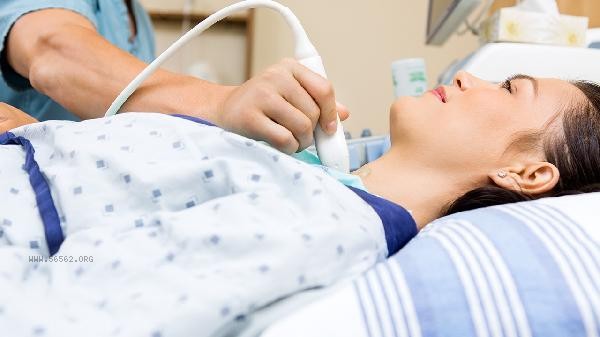
include thyroid stimulating hormone, free triiodothyronine, free thyroxine, etc., which can evaluate the secretion status of thyroid hormones. Hyperthyroidism patients usually present with decreased TSH and increased FT3 and FT4, and the dosage of antithyroid drugs should be adjusted under the guidance of a doctor. Before the examination, avoid taking iodine containing foods or medications to avoid interfering with the results.
2. Electrocardiogram examination
Hyperthyroidism can easily lead to arrhythmia such as tachycardia and atrial fibrillation. Electrocardiogram can detect early abnormalities such as myocardial ischemia and ST-T changes. If palpitations occur, a 24-hour dynamic electrocardiogram should be performed. Maintain emotional stability and avoid vigorous exercise before the examination.
3. Bone density testing
Excessive thyroid hormone can accelerate bone resorption and increase the risk of osteoporosis. Dual energy X-ray absorptiometry can accurately measure lumbar and hip bone density. It is recommended that postmenopausal women with hyperthyroidism undergo annual follow-up examinations. If bone loss is found, calcium supplements and vitamin D should be supplemented.
4. Blood routine monitoring
Hyperthyroidism may cause leukopenia, and regular check ups are necessary during the use of antithyroid drugs. Pay close attention to neutrophil count, and be alert to granulocyte deficiency when it is below 1.5 × 10 ⁹/L. It is not necessary to fasting before blood collection, but it is necessary to avoid testing immediately after intense exercise.
5. Liver and kidney function
Antithyroid drugs such as propylthiouracil may cause liver damage, manifested as elevated transaminase levels. Abnormal renal function can affect drug metabolism and require adjustment of the dosing regimen. Three days before the examination, high protein diet should be avoided, and fasting should be maintained for 8-12 hours on the day of blood collection. Patients with hyperthyroidism should maintain a regular daily routine and avoid staying up late and experiencing emotional fluctuations three days before the physical examination. On the day of the examination, wear loose clothing for easy blood sampling and electrocardiogram examination, and bring medical records and medication records for the doctor's reference. Low iodine diet is required in daily life, limiting intake of seaweed and seaweed, and regularly monitoring changes in weight and heart rate. If symptoms such as fear of heat, excessive sweating, and worsening hand tremors occur, timely follow-up should be sought, and medication dosage should not be adjusted on one's own. It is recommended to undergo a comprehensive physical examination every 3-6 months and cooperate with doctors for personalized health management.









Comments (0)
Leave a Comment
No comments yet
Be the first to share your thoughts!